Sito ufficiale di informazione turistica della provincia di Ferrara
EN

Discover the itinerary
Discover the itinerary
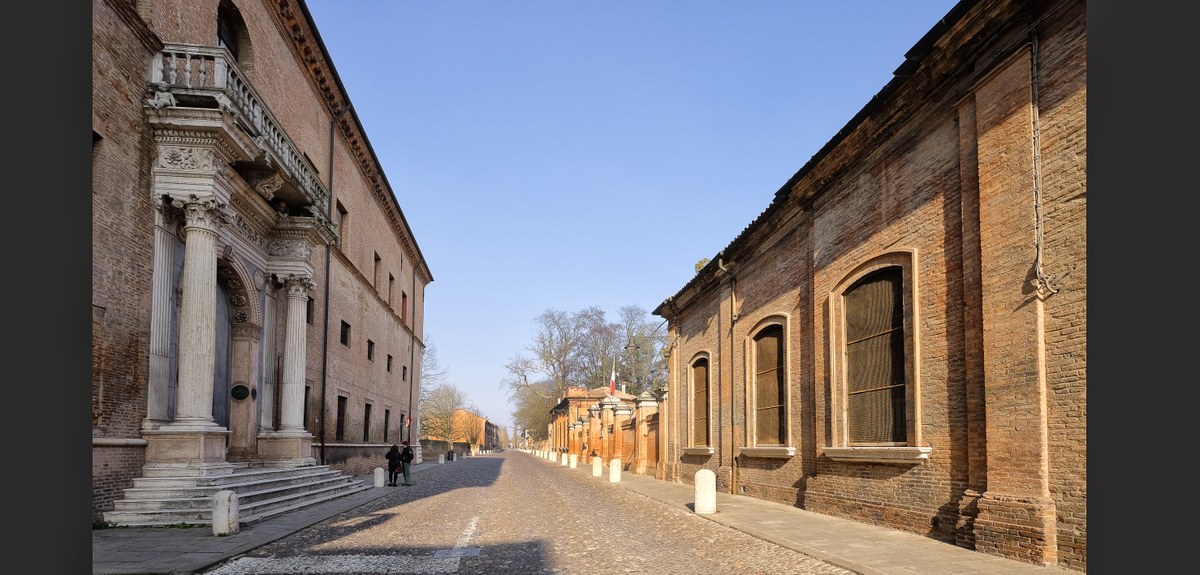
First Step: Corso Ercole I d'Este
A famous narrative portrait of Corso Ercole I d'Este is sketched in the renowned novel The Garden of the Finzi-Continis. A mythical garden, which does not exist in reality in Ferrara, but the vast green area north of the city could have been home to it!
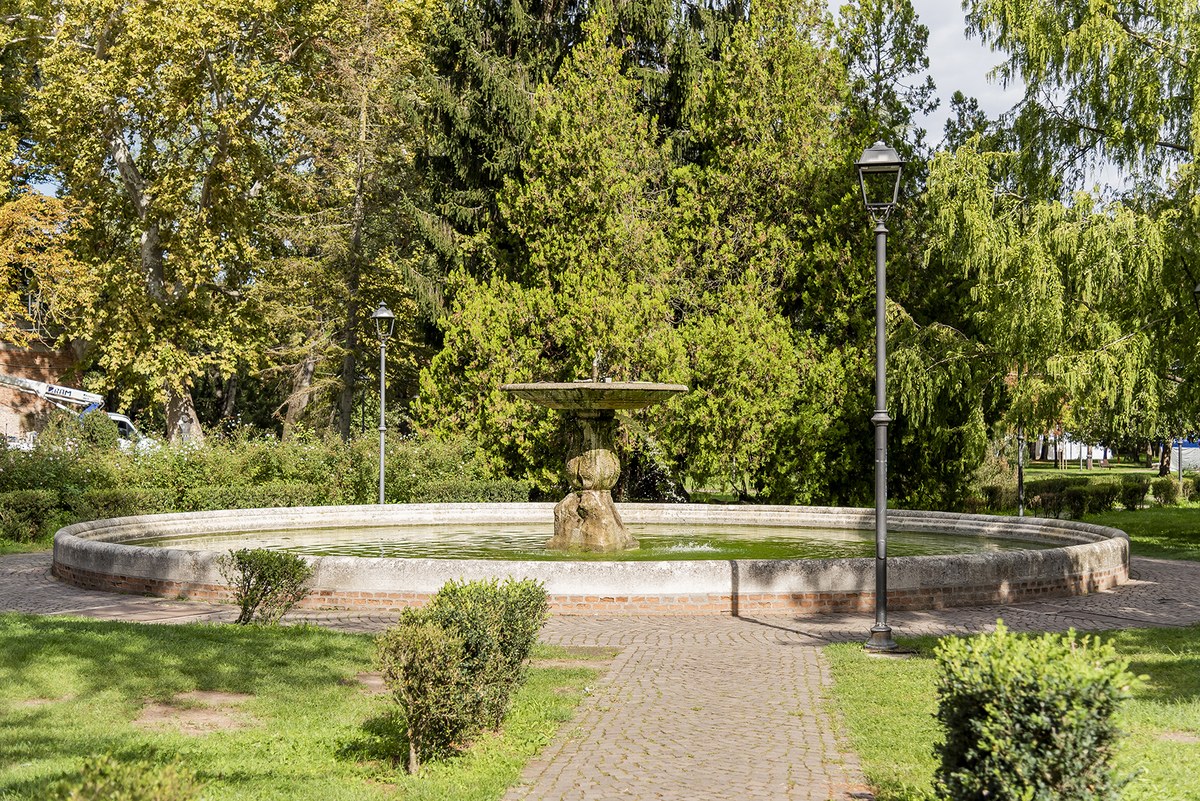
Second Step: Parco Massari
Massari Park is known for having inspired G. Bassani in his description of the legendary Garden of the Finzi-Contini, a place born of the writer's imagination, largely inspired by the Garden of Ninfa, near Rome, as his daughter Paola recalls.
Third Step: Charterhouse of Ferrara
Another literary portrait of this place stands out among the pages of one of the stories in Cinque storie ferraresi (Five Stories from Ferrara): Gli ultimi giorni di Clelia Trotti (The Last Days of Clelia Trotti). It is here that the writer's gaze and pen linger more than in other works on the spaces of the Certosa, in a descriptive digression capable of conveying its intimate and suspended atmosphere.
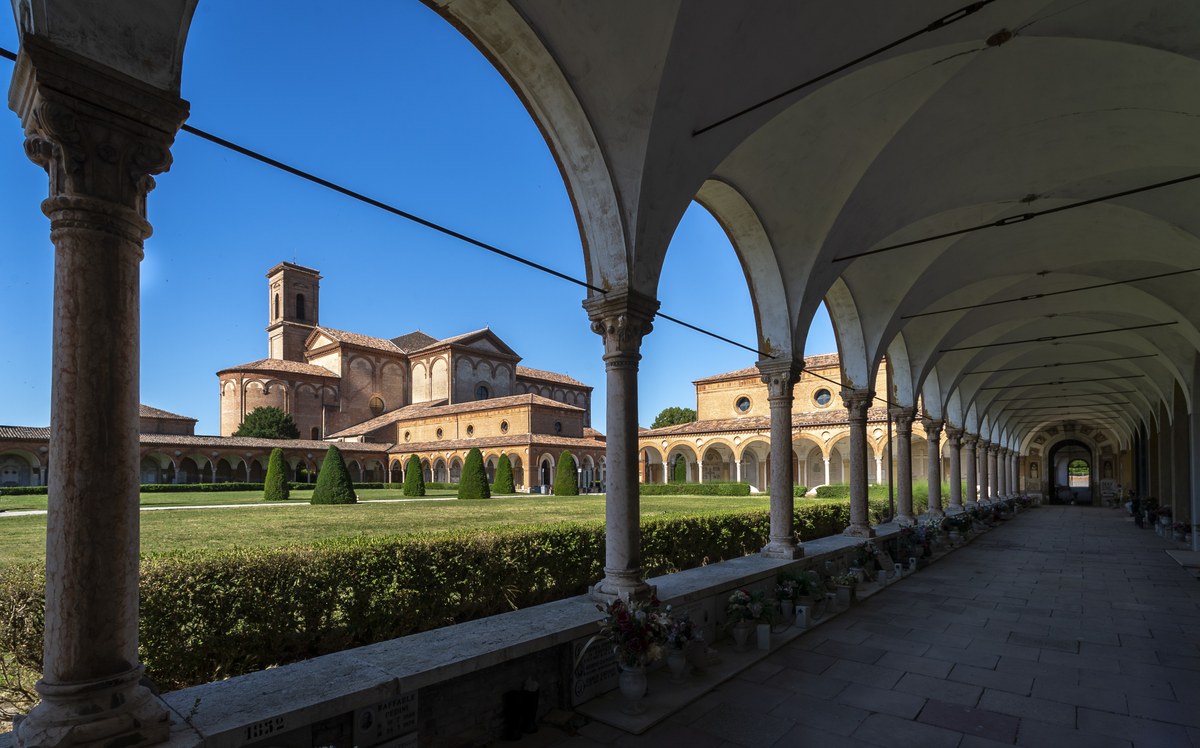
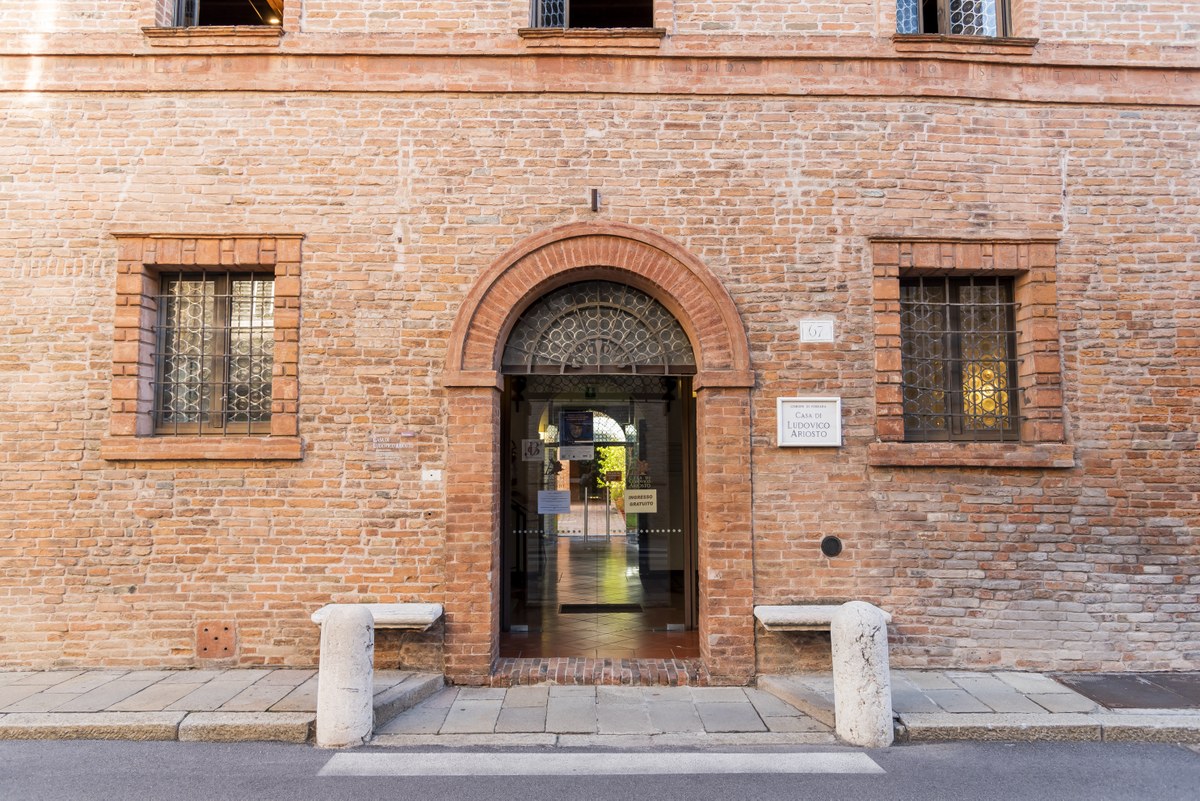
Fourth Step: House of Ludovico Ariosto
Giorgio Bassani Foundation
Purchased by the poet in 1526, the house (along with its land and vegetable garden) was Ariosto's home in the latter part of his life, up to 1533. At the moment, it is home to the Giorgio Bassani Foundation, which houses the writer's library and personal items including a reconstruction of his studio in Rome.
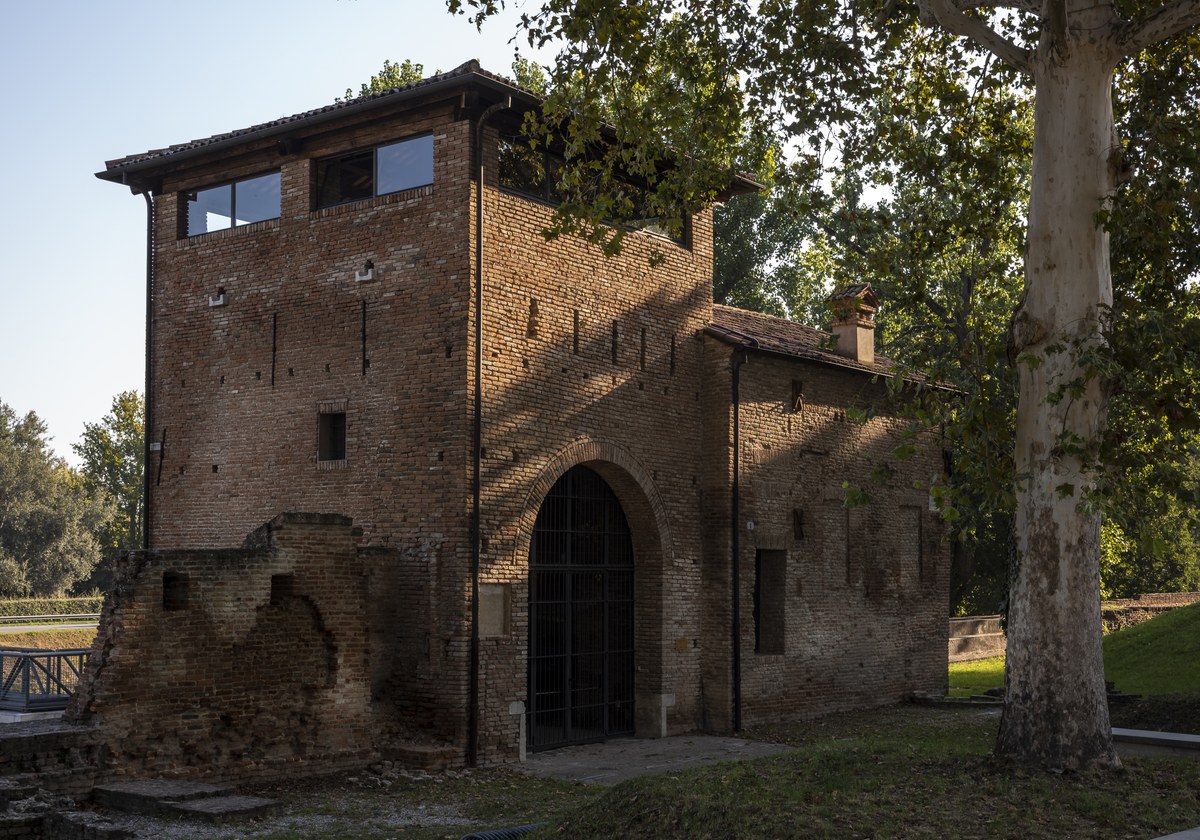
Fifth Step: Porta degli Angeli
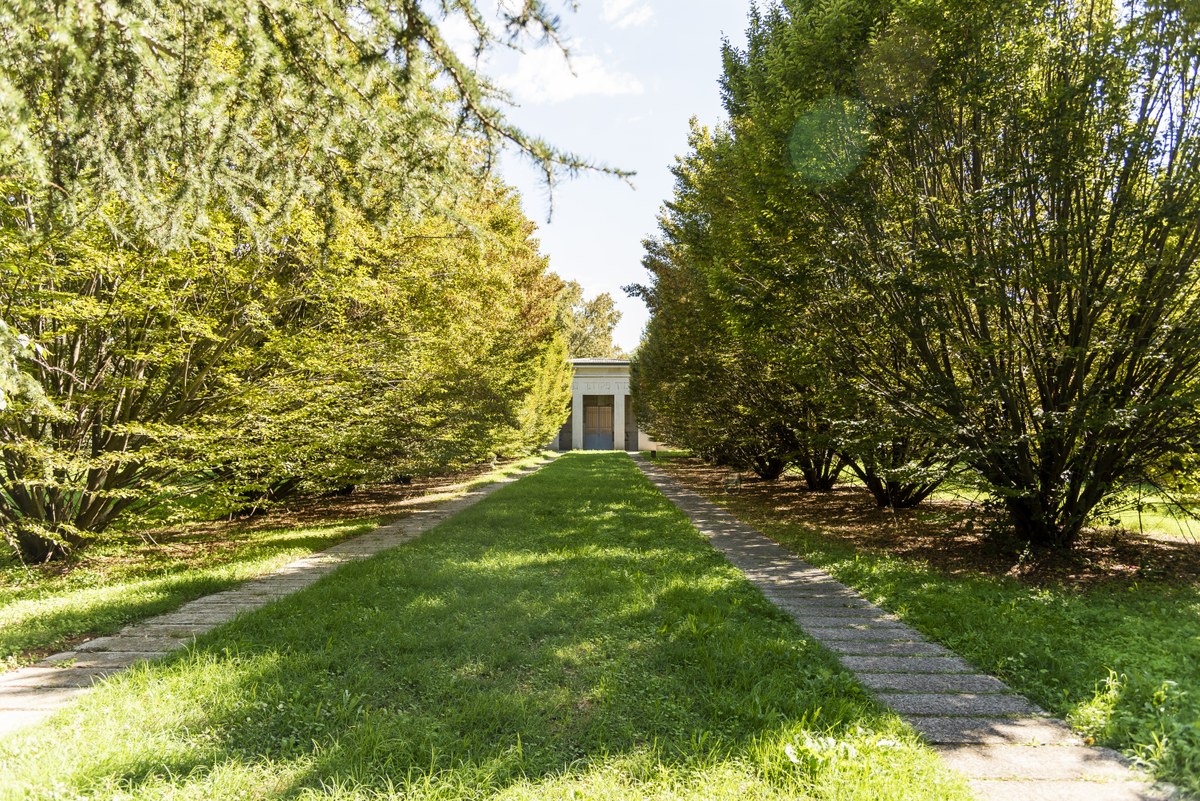
From the Porta degli Angeli, there is a complete view of the Parco Urbano that extends beyond the walls and occupies the entire park of Este family, named "Bassani" in 2003.
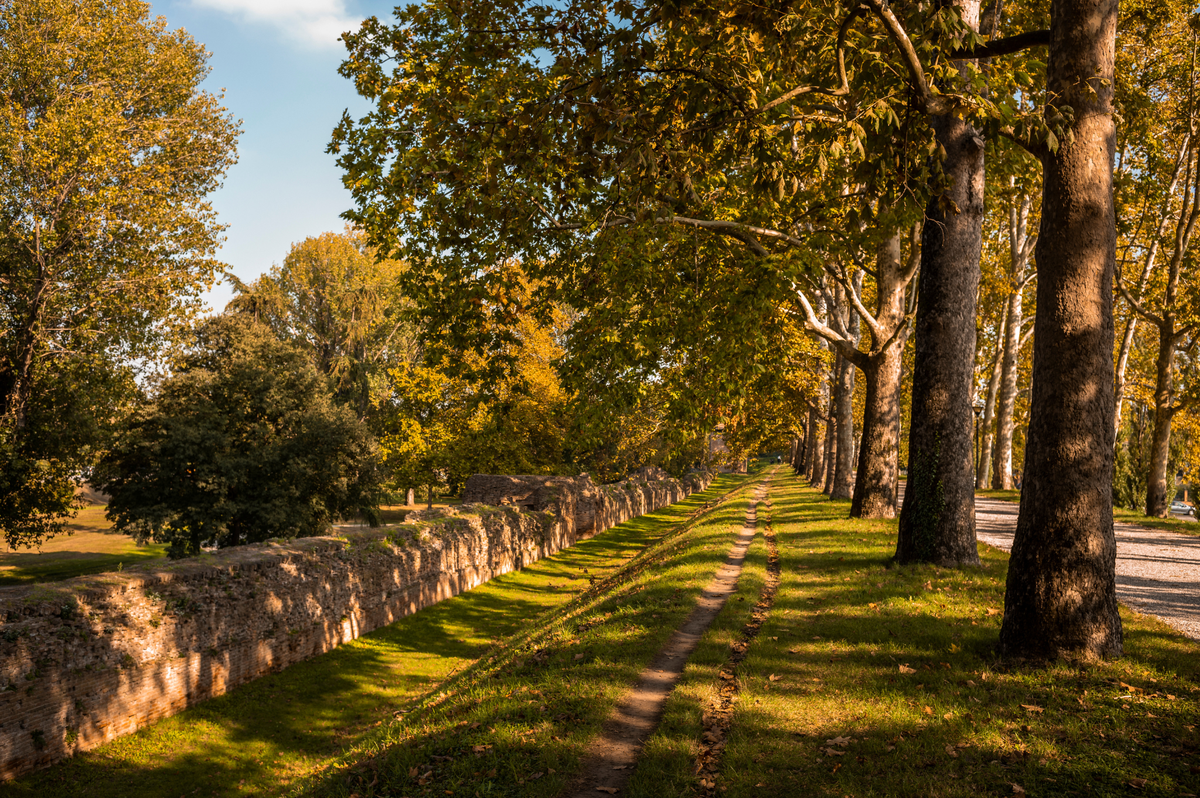
Sixth Step: The City Walls
Added to the Unesco World Heritage List in 1995, the historical centre of Ferrara is bordered by one of the largest rings of fortified walls in Italy. This defensive system has been entirely restored thanks to a complex and impressive ten-year project that began in 1988.
Seventh Step: The Jewish Cemetery
Memorial to Giorgio Bassani
Still in use today, the Jewish Cemetery in Via delle Vigne is the oldest in Emilia Romagna. It's located just behind a section of the city's walls in the Erculean Addition. Inside there are tombs from the18th century onwards. The Tomb of Giorgio Bassani and the monument dedicated to him, created by the sculptor Arnaldo Pomodoro and the architect Pietro Sartogo in 2003, are found in the secluded area.