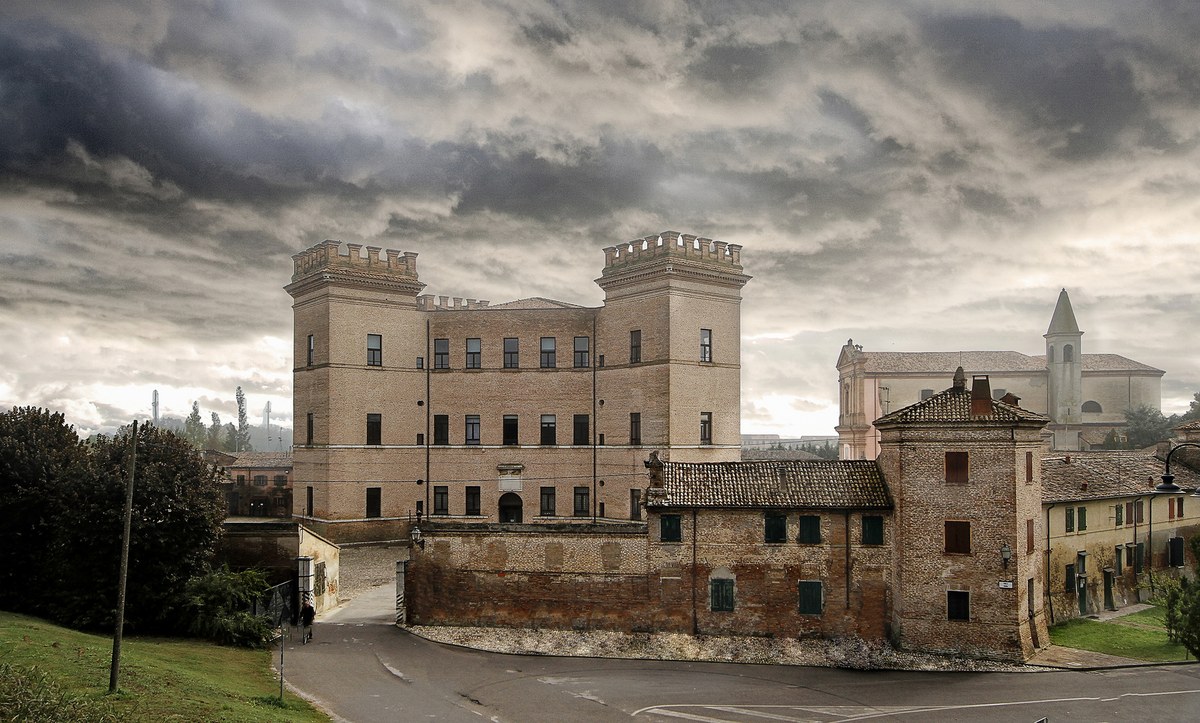
The village of Mesola began to flourish thanks to the land reclamation undertaken by the Este family in the 16th century. The estate, which had been occupied by the sea until the 10th century, was purchased by the House of Este at the end of the 15th century to build one of their country residences, known as Delizie. The village developed around the elegant and majestic Castello Estense, built by Alfonso II at the end of the 16th century.
Sito ufficiale di informazione turistica della provincia di Ferrara
EN
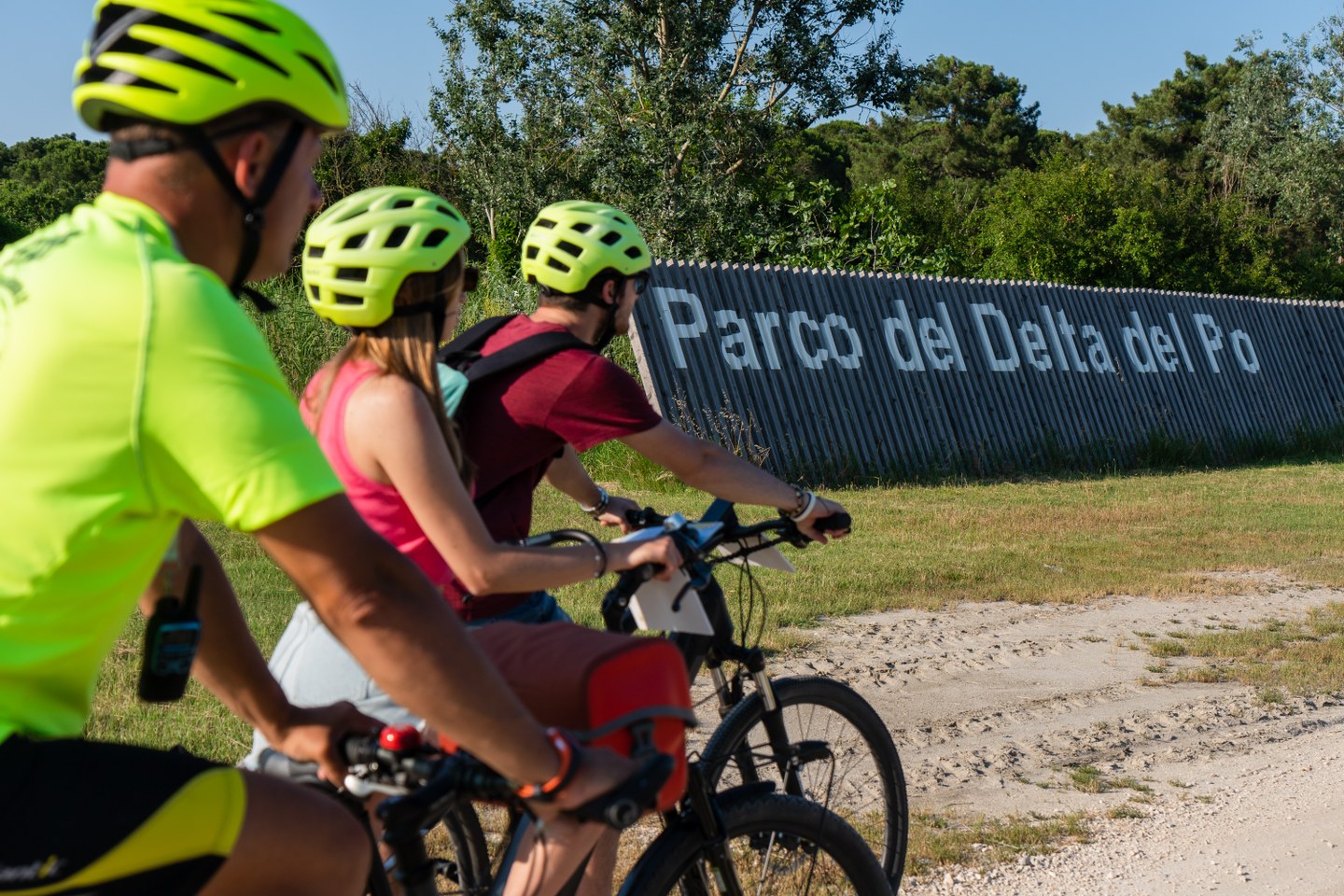
The many faces of the Delta
The history of the Delta's inhabitants, which has always been linked to the river's fortunes, has been strongly influenced by changes in its course. The creation of new riverbeds has generated new opportunities for settlement along its banks and, consequently, for economic and social life. The Po has been a source of water, fishing, irrigation, and communication
The many faces of the Delta
The history of the Delta's inhabitants, which has always been linked to the river's fortunes, has been strongly influenced by changes in its course. The creation of new riverbeds has generated new opportunities for settlement along its banks and, consequently, for economic and social life. The Po has been a source of water, fishing, irrigation, and communication
First Step: Mesola
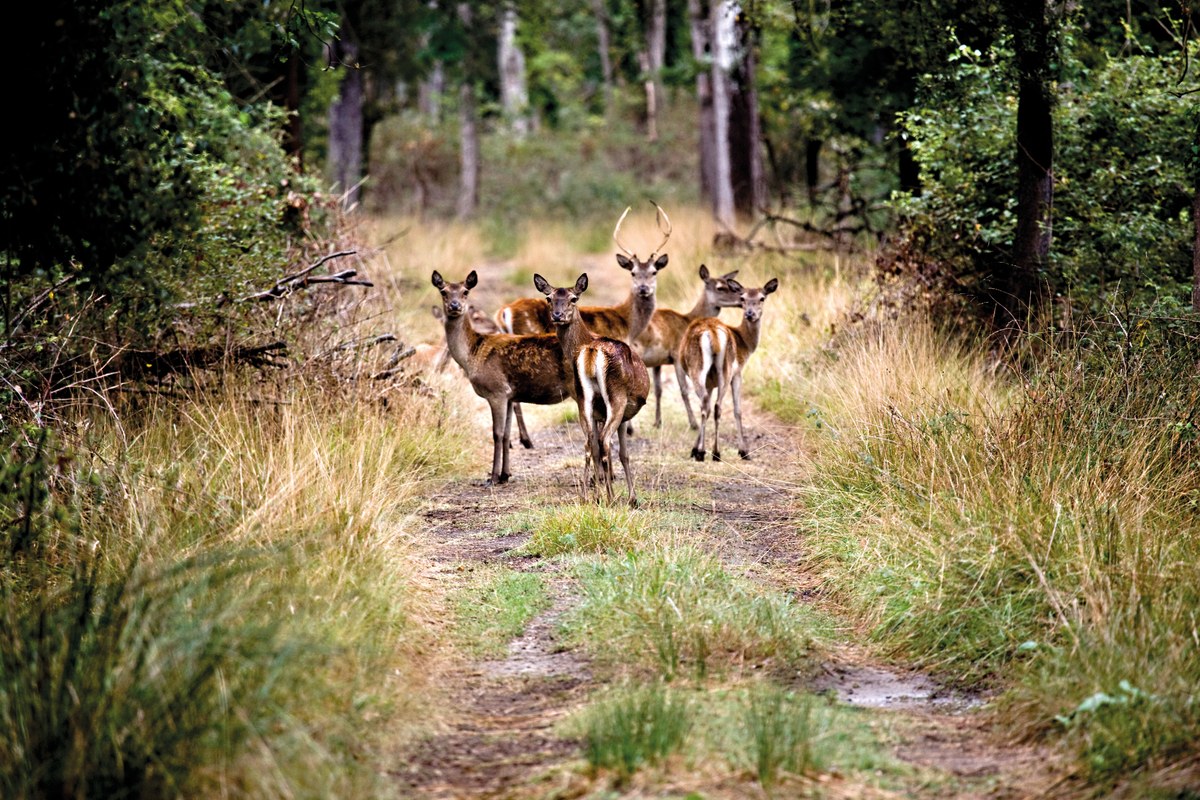
Second Step: Bosco della Mesola - State Nature Reserve
The Bosco della Mesola Nature Reserve is the largest wooded area in the Ferrara area and is best known for the presence of the Mesola deer, the only descendant of the noble deer that originally populated the Po Lagoons.
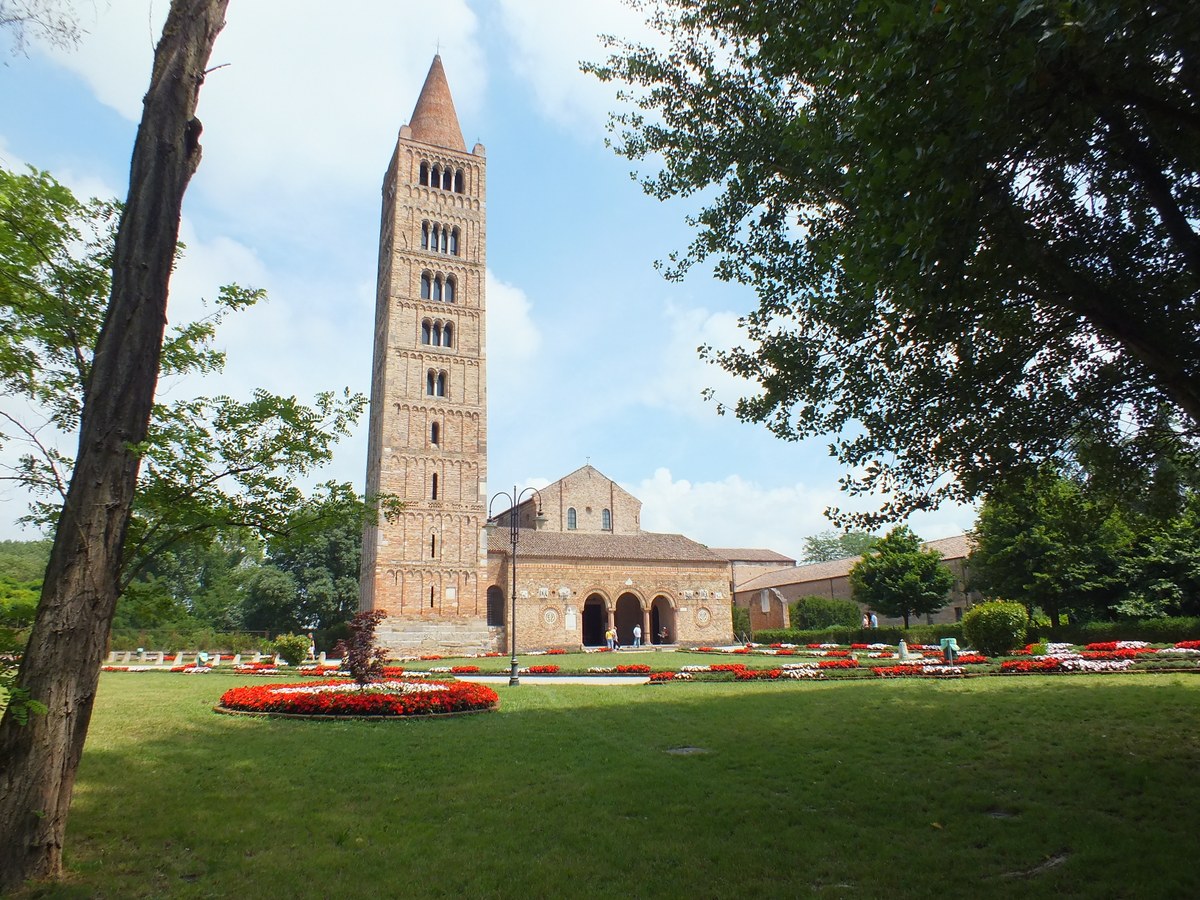
Third Step: Abbazia di Pomposa
This evocative Benedictine complex became an important monastic center after the year 1000, hosting illustrious figures such as Guido d'Arezzo, the monk who invented modern musical notation.
Fourth Step: Goro
Goro, once a small settlement of reed huts located on the right bank of the Po, is now a characteristic fishing village with a modern port that also boasts an interesting tourist development.