The most important points along the itinerary
The most important points along the itinerary
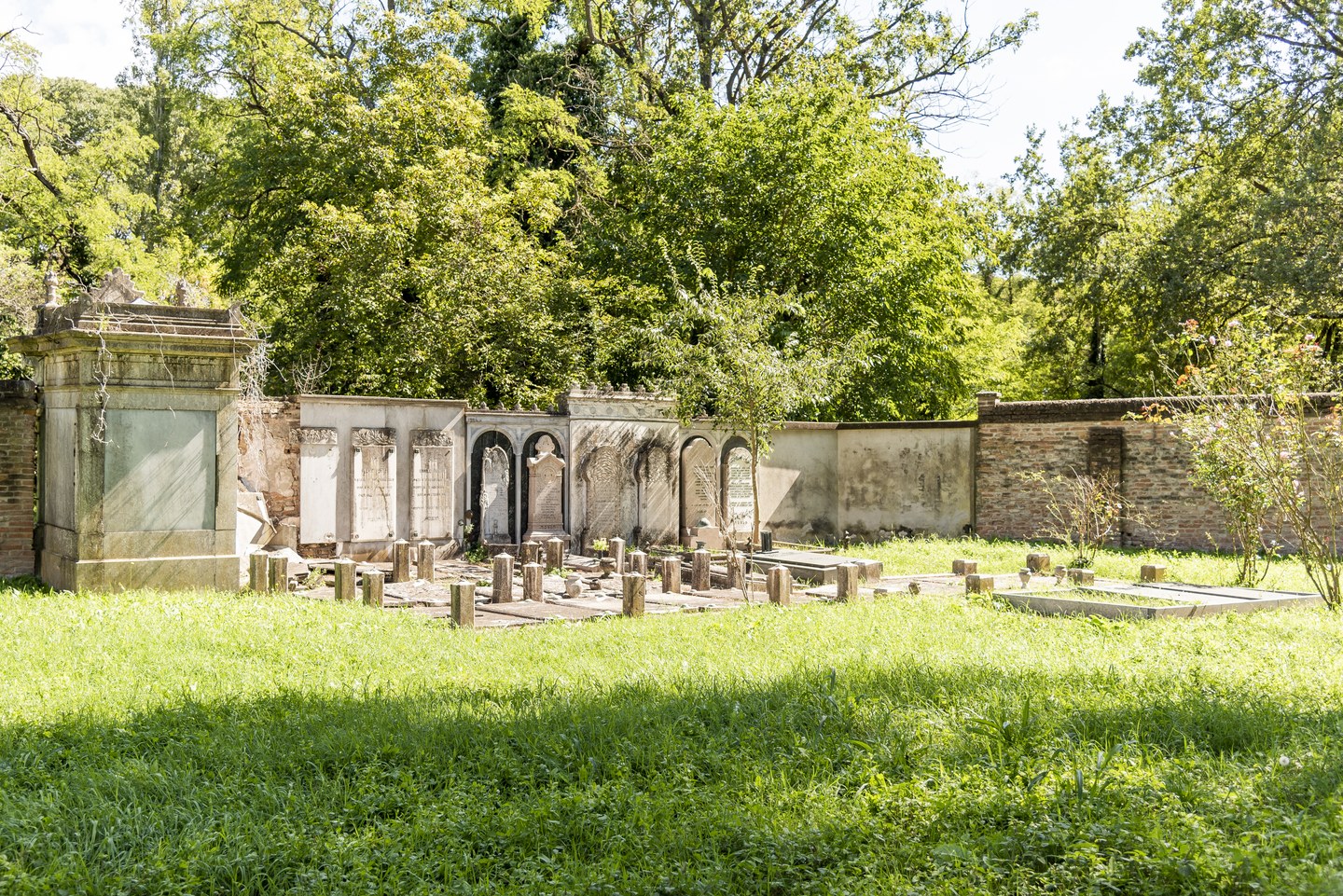
First Step: Jewish cemetery
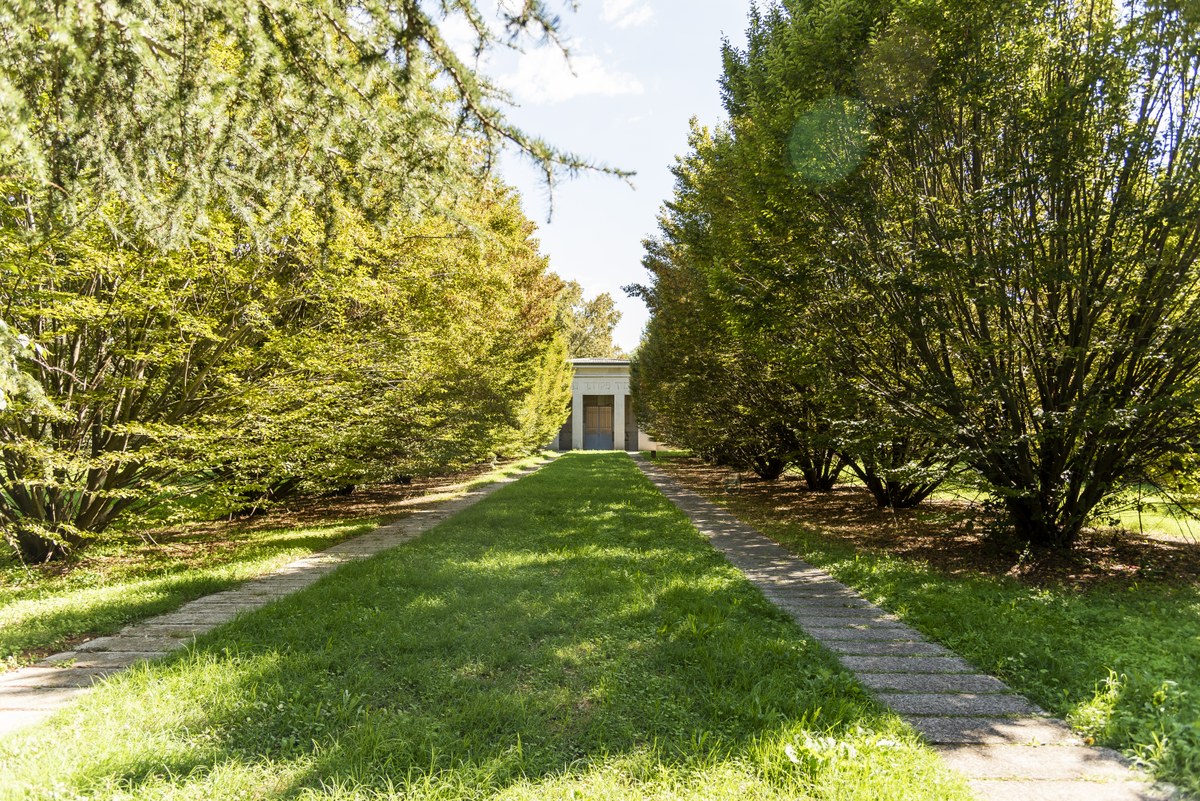
Our exploration begins at the Jewish Cemetery, a quiet place home to many generations of Ferrara's Jewish community.
Second Step: The ancient Jewish Ghetto
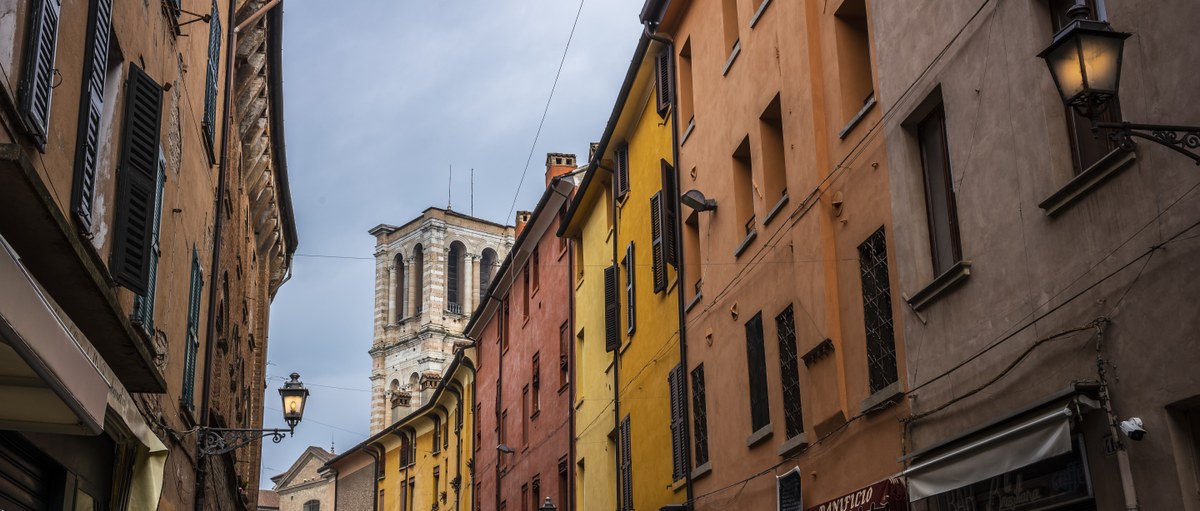
The walk continues from the greenery of the Cemetery, crossing Via Montebello and Via Terranuova, to Via Mazzini, one of the streets of the ancient Jewish ghetto established in 1627 and abolished only in 1859. Here, in addition to the synagogues, there are 15 stumbling stones dedicated to entire families.
From Via Mazzini, the main street of the ghetto, Via Vignatagliata and Via Vittoria branch off like two ribs, where the private homes of the Jewish were mainly located.
Third Step: Synagogues
The entrance to the synagogues on Via Mazzini, the main thoroughfare of the former ghetto, is marked by two marble slabs. Headquarters of the Jewish community of Ferrara.
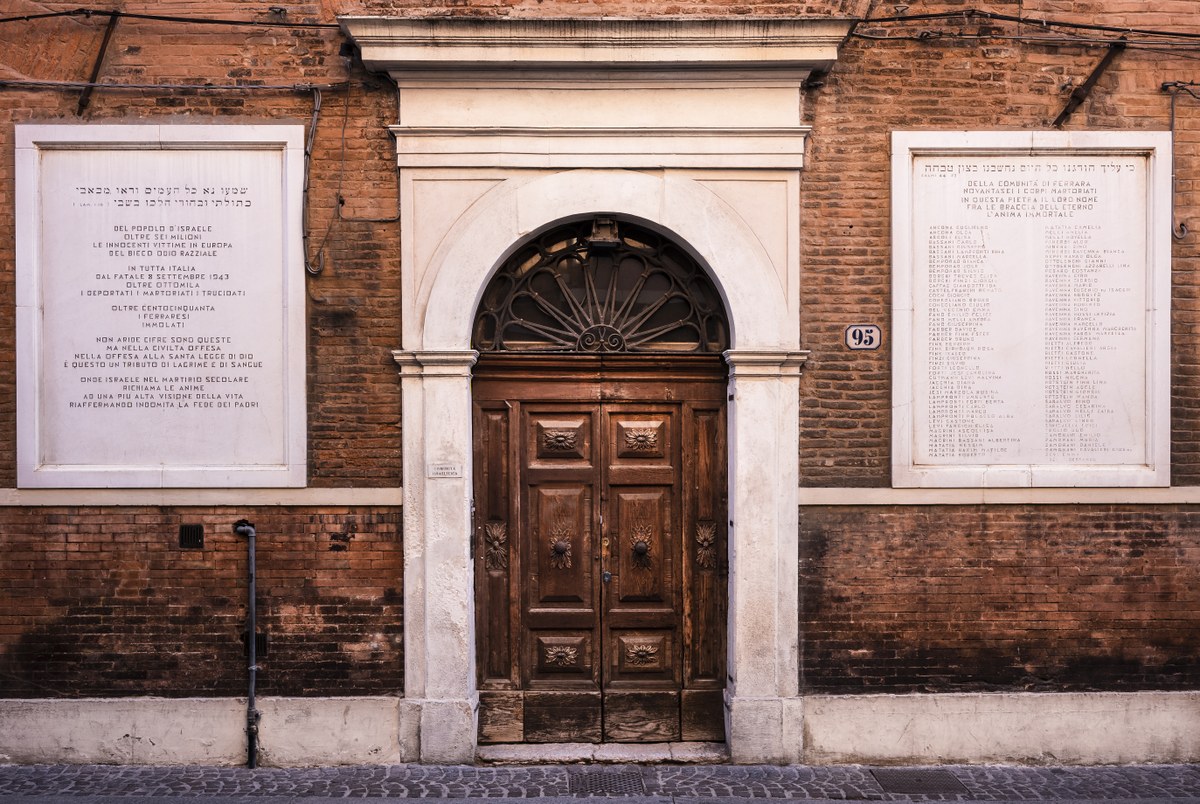
Fourth Step: Piazza Trento Trieste
Not far away, the route meets Piazza Trento e Trieste, one of the largest and most central squares in the city, dominated by the imposing cathedral.
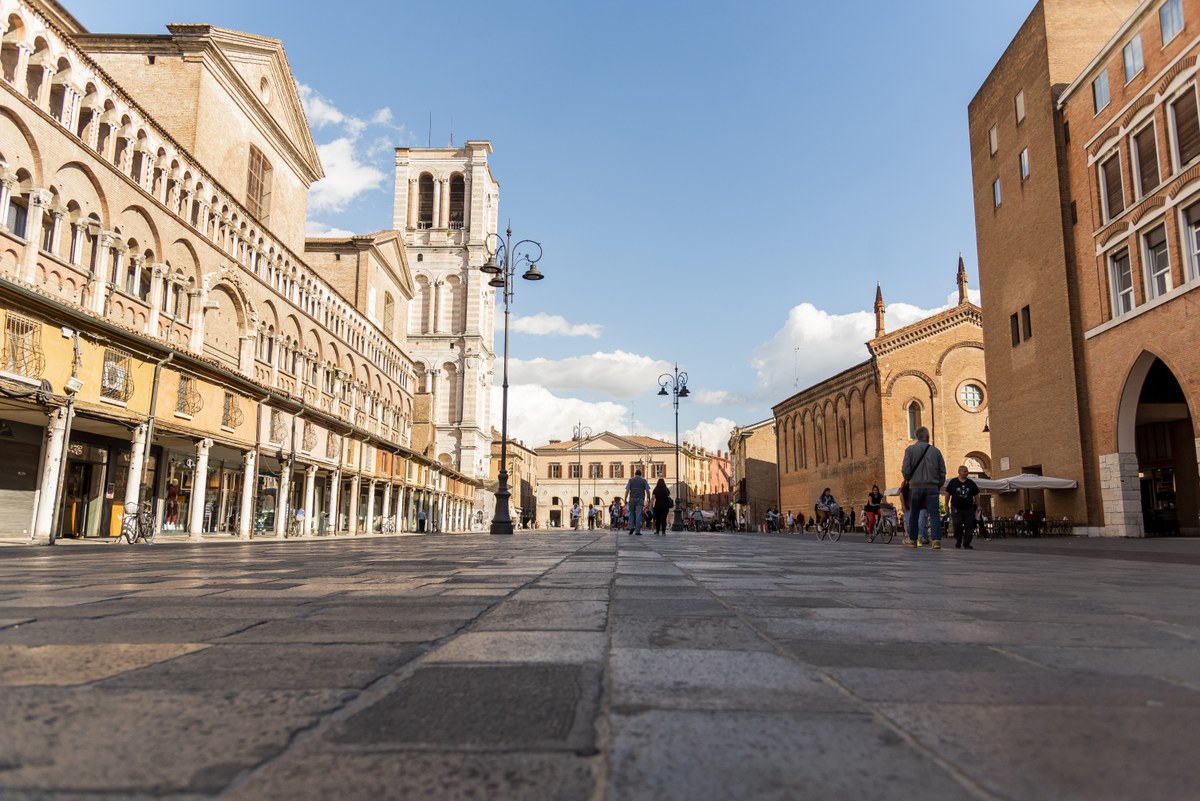
Fifth Step: Column of Borso d'Este
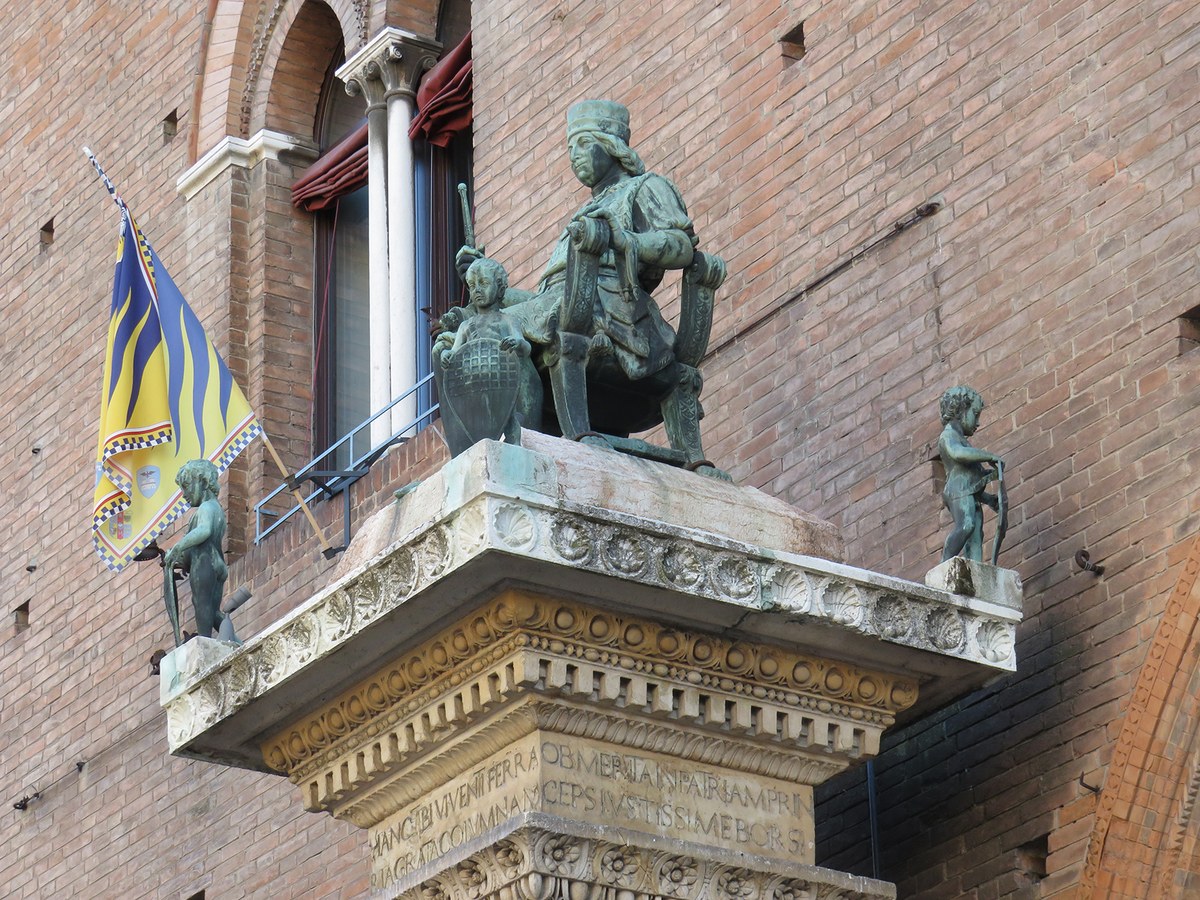
In front of the Cathedral, to the left of the Volto del Cavallo (Horse Arch) of the Town Hall, stands a pink and white marble column topped by a bronze statue of Borso d'Este, the first Duke of Ferrara. Following a fire in the 18th century, the column was restored with the addition of white marble, taken from the Jewish Cemetery. The Papal States, then in power, ordered that the marble tombstones be removed from there, ignoring the sacred value of the burials.
During the restoration in 1960, the column was dismantled and the ancient tombstones with Hebrew inscriptions appeared; photographed for study purposes, they were then reincorporated into the monument.
Sixth Step: Via delle Volte
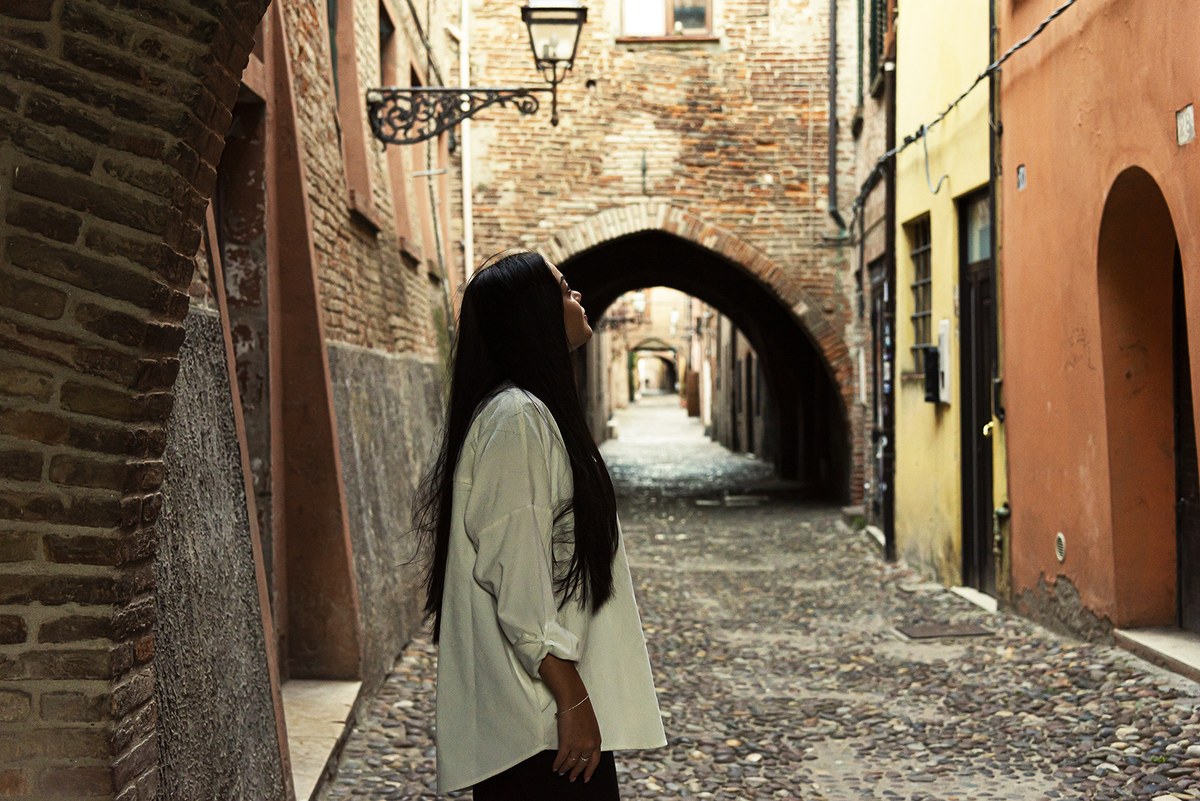
A long medieval street in Ferrara, characterised by distinctive vaults and arches of various shapes. Not far away, in Via Centoversuri, there is a memorial to the place where the first Jewish who arrived in Ferrara in the 13th century settled.
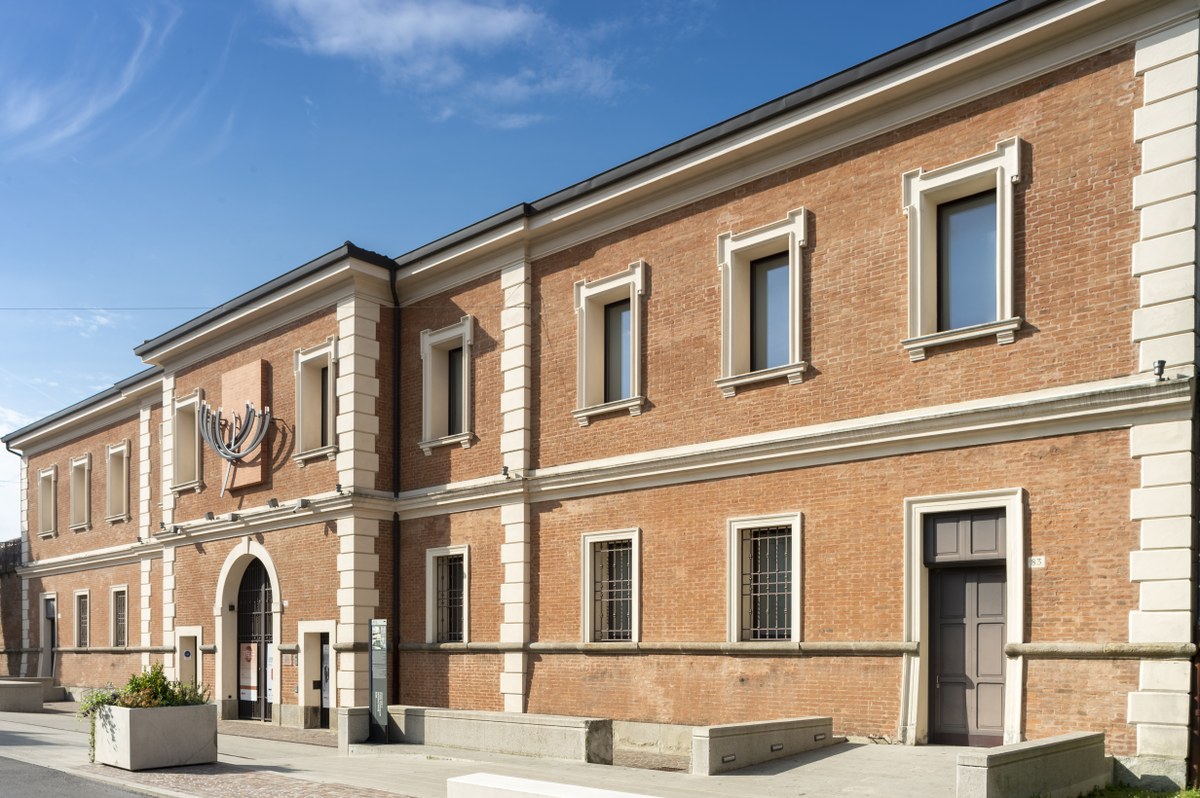
Seventh Step: MEIS National Museum of Italian Judaism and the Shoah
The MEIS was established in the city's former prisons to present the heritage and legacy of Italian Judaism in a comprehensive manner. Its narrative covers 2,200 years of the vital and uninterrupted presence of Jewish in Italy, highlighting their traditions and fundamental contributions to the country's history and culture.