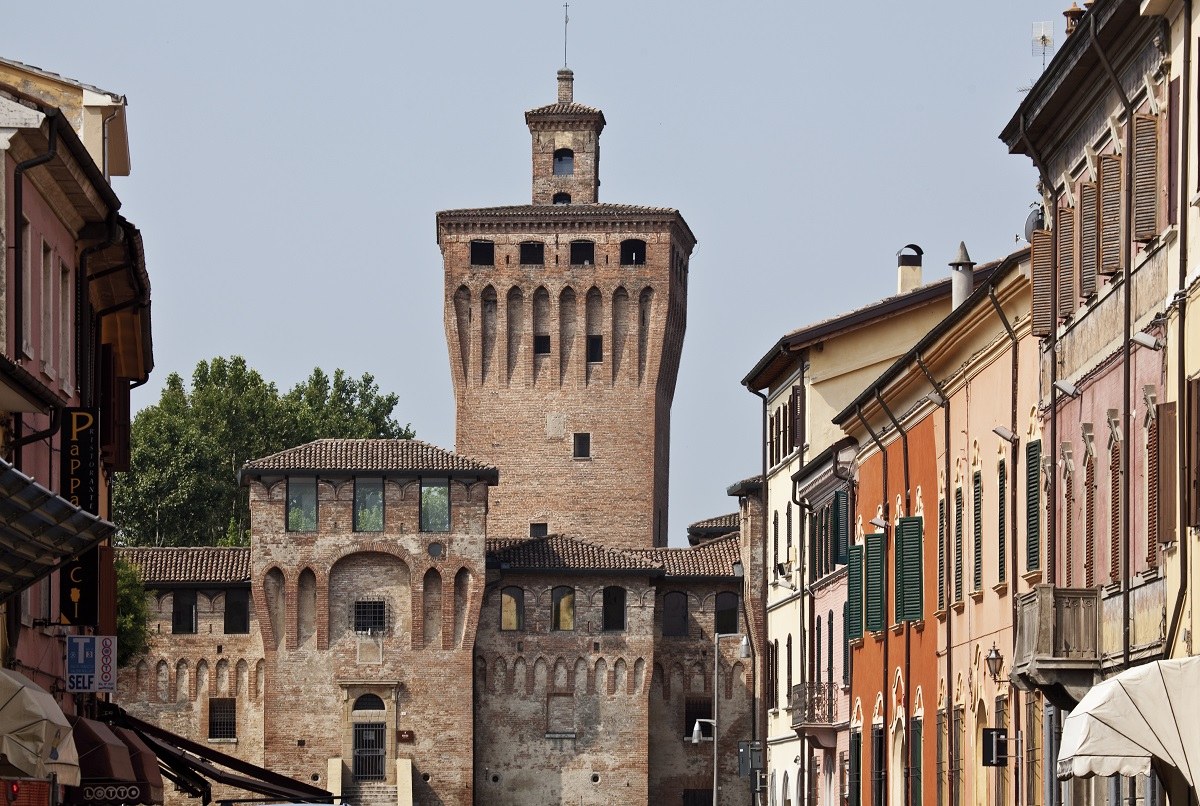
With its historical city centre and the many "portici" that decorate the streets, the city of Guercino is a small art, cuisine, economy capital where traditions from Ferrara, Bologna and Modena blend together in harmony. It was under feudal domain of the bishops of Bologna, and it was later given to the Este family for the marriage between Lucrezia Borgia and Alfonso I d'Este.
The ITINERARY in brief
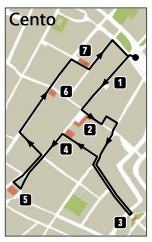
Piazza Borgo, Corso Guercino (1), Casa Pannini, Piazza del Guercino, Governo’s Palace (2), Modern Art Gallery A. Pannini, Provincial Museum, Church of San Rocco, Porta Pieve (3), Civic Theatre, Basilica Collegiata di San Biagio, Municipal Library Il Guercino (5), Church del Rosario (7), San Lorenzo Picture Gallery (8).
The 'Partecipanza'
During the Middle Ages, the Bishop of Bologna and the Abbot of Nonantola gave to Cento land to collectively administer. In time, the richest owners often tried to seize them, but in the end the party of the poorest won and they kept the community system. The small farms are still owned by the Partecipanza, which redistributes them every 20 years among its members according to ancient criteria
Step 6
Church of San Lorenzo
The Church of San Lorenzo hosts the exhibition "Guercino, un nuovo sguardo. Opere provenienti da Forlì e da altri luoghi nascosti". The exhibition displays twenty large works, most of them altarpieces by Guercino and his students, which until now were hidden from the public eye
Step 1
Corso Guercino
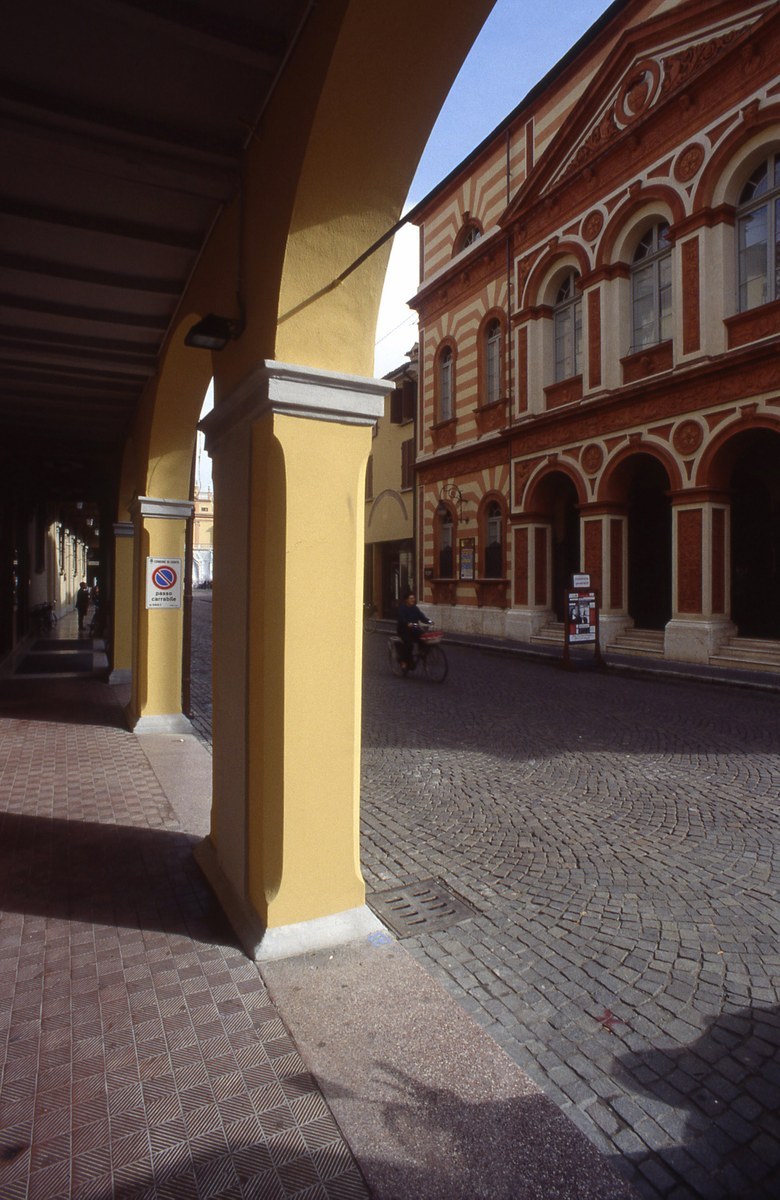
Corso Guercino is the main street in Cento and it has a long line of portici on its right side. Some of its most ancient houses have wooden porticos: among these, at number 74 there is Casa Pannini (15th century), with its nice facade and ogival windows. Almost in front of it there are the headquarters of the Partecipanza Agraria, an ancient local economic institution
Step 2
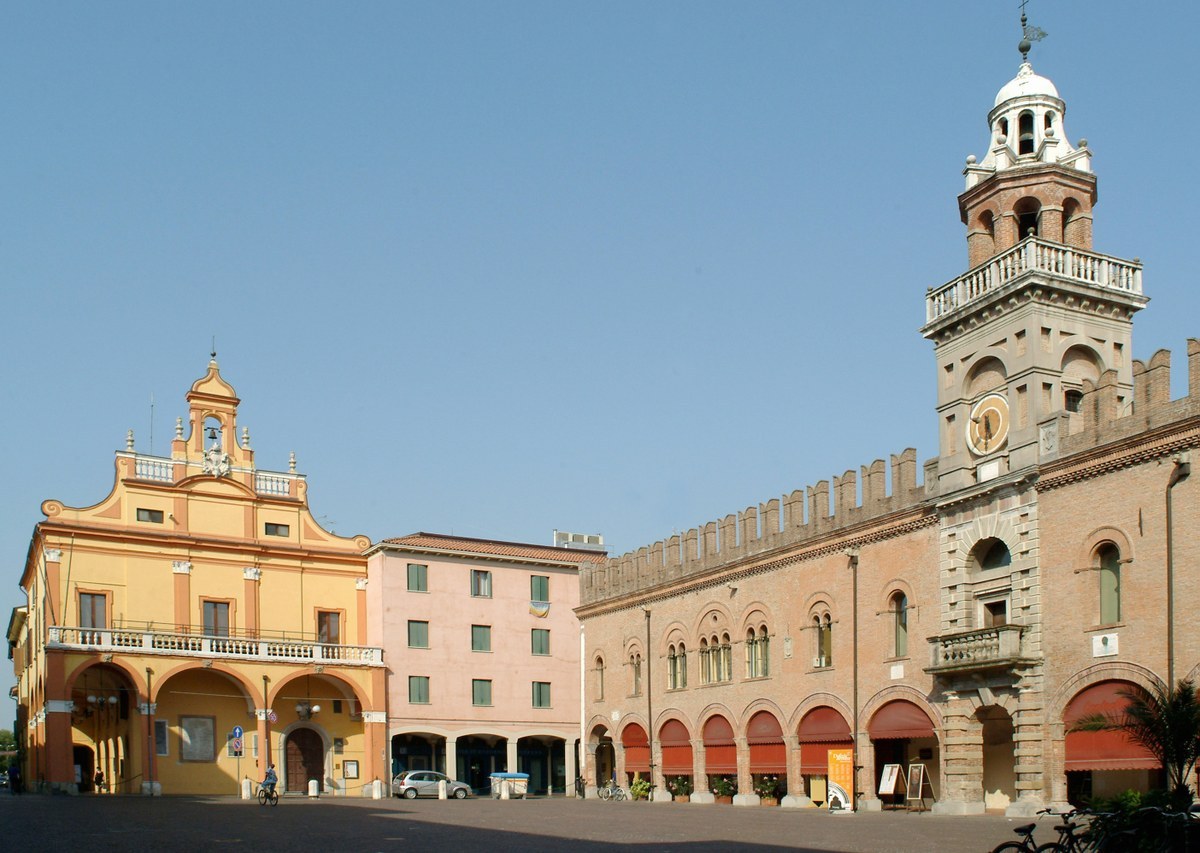
Piazza del Guercino - Palazzo del Governatore
About half way through the Corso there is Piazza del Guercino, with the majestic 16th century Palazzo del Governatore (Governor’s Palace), in which Este governors and, later, members of the Papal State resided for some centuries to administer the city. In the Piazza stands the monument for Guercino, sculpted by Stefano Galletti (1832-1905)
Step 3
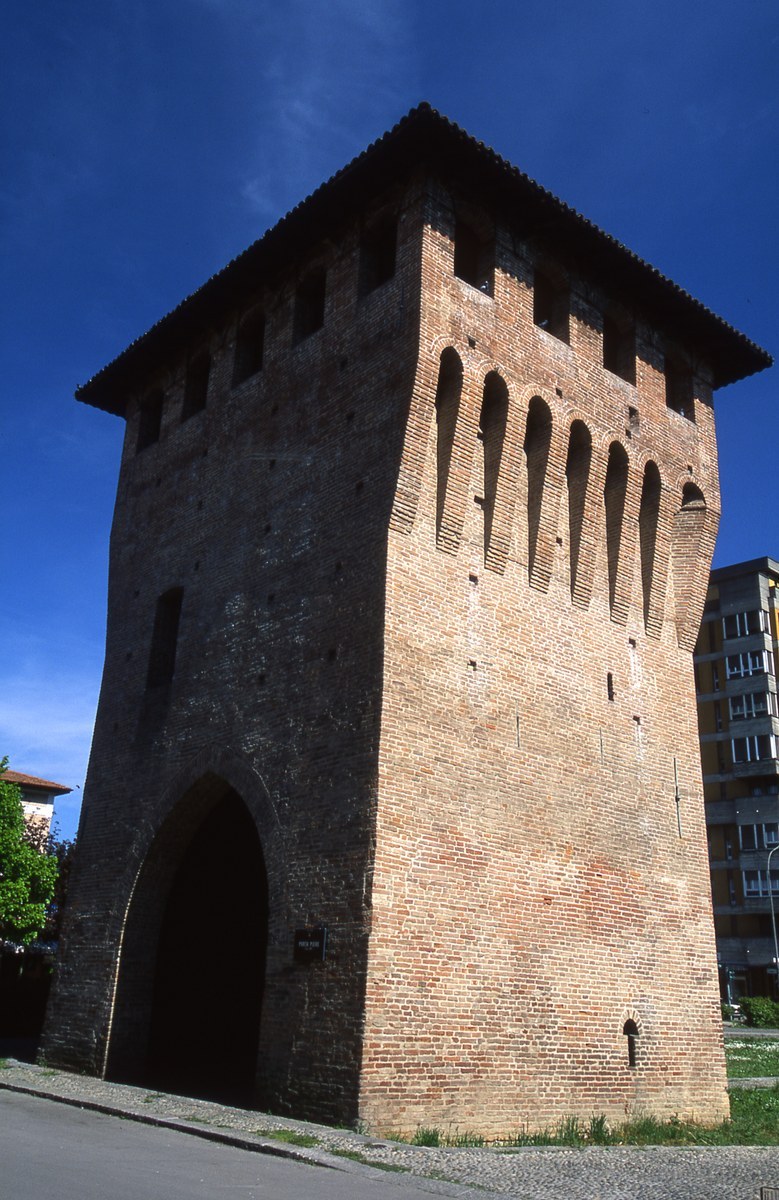
Porta Pieve
Following via Malagodi and via Donati you will reach Porta Pieve, which marks the end of the town and leads to Pieve di Cento, in the Bologna area but historically connected to Cento
Step 4
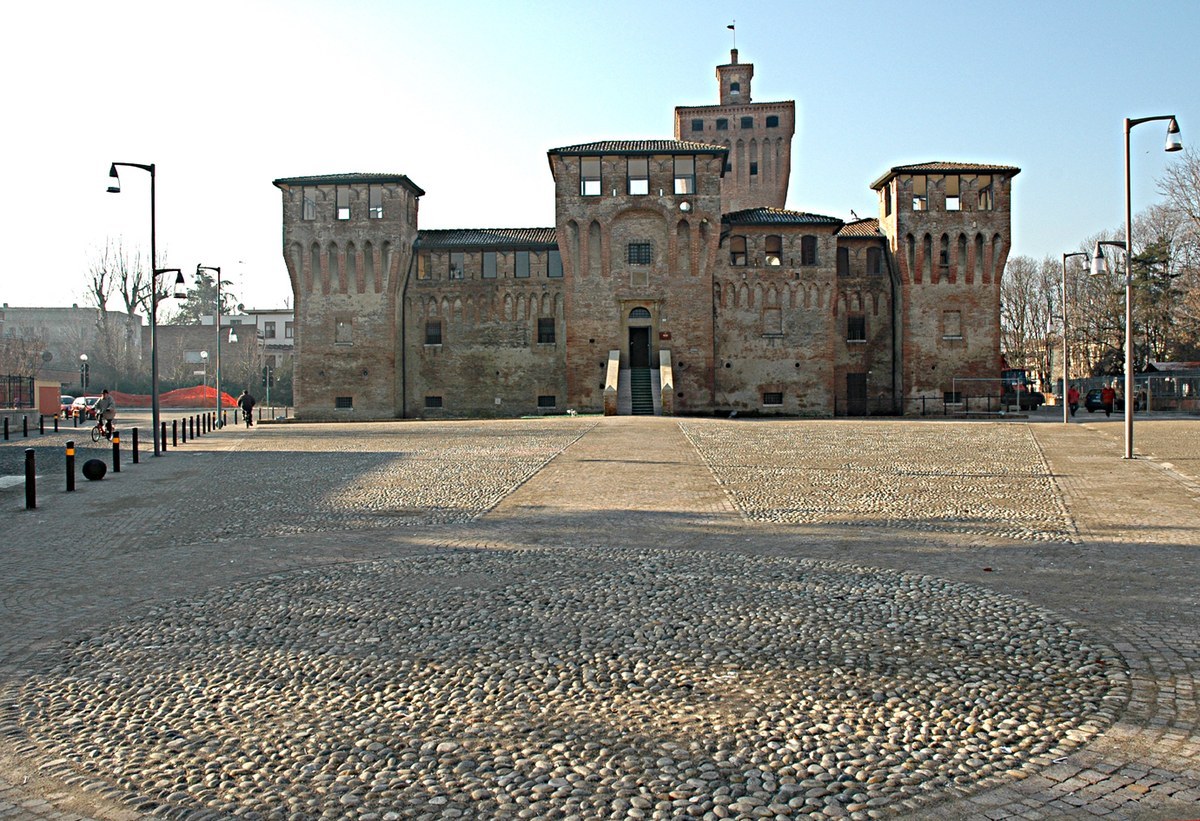
Rocca
In Corso Guercino are located the 17th century Chiesa di San Filippo Neri (visible upon request) and the Sanctuary of Beata Vergine della Rocca, built in 1378 and restored at the end of the 15th century by the Bishops of Bologna
Step 5
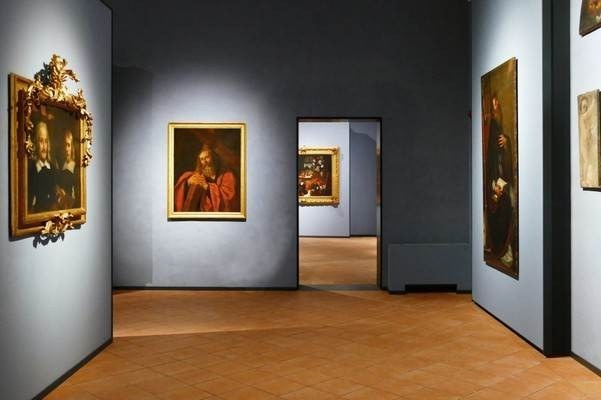
Municipal Gallery “Il Guercino”
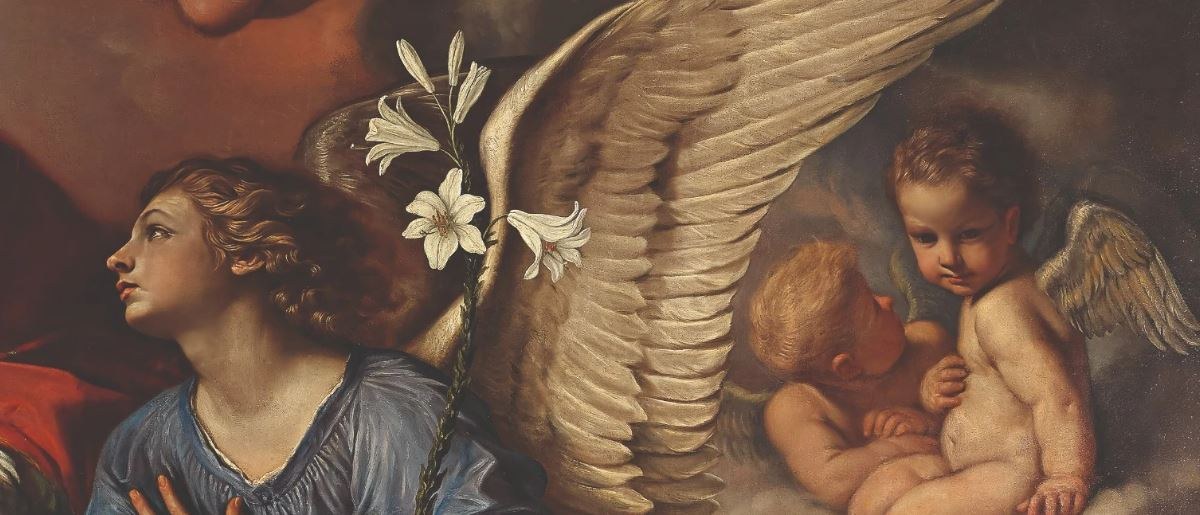
The Museum hosts 5 centuries of art history with paintings, drawings and sculptures made between 1440 and 1800 by different artists, such as Ludovico Carracci and Guido Reni. The main masterpieces are those by Guercino and his followers.
Step 6
Church of San Lorenzo
The Church of San Lorenzo hosts the exhibition "Guercino, un nuovo sguardo. Opere provenienti da Forlì e da altri luoghi nascosti". The exhibition displays twenty large works, most of them altarpieces by Guercino and his students, which until now were hidden from the public eye
Step 1
Corso Guercino
Corso Guercino is the main street in Cento and it has a long line of portici on its right side. Some of its most ancient houses have wooden porticos: among these, at number 74 there is Casa Pannini (15th century), with its nice facade and ogival windows. Almost in front of it there are the headquarters of the Partecipanza Agraria, an ancient local economic institution
Step 2
Piazza del Guercino - Palazzo del Governatore
About half way through the Corso there is Piazza del Guercino, with the majestic 16th century Palazzo del Governatore (Governor’s Palace), in which Este governors and, later, members of the Papal State resided for some centuries to administer the city. In the Piazza stands the monument for Guercino, sculpted by Stefano Galletti (1832-1905)
Step 3
Porta Pieve
Following via Malagodi and via Donati you will reach Porta Pieve, which marks the end of the town and leads to Pieve di Cento, in the Bologna area but historically connected to Cento
Step 4
Rocca
In Corso Guercino are located the 17th century Chiesa di San Filippo Neri (visible upon request) and the Sanctuary of Beata Vergine della Rocca, built in 1378 and restored at the end of the 15th century by the Bishops of Bologna
Step 5
Municipal Gallery “Il Guercino”
The Museum hosts 5 centuries of art history with paintings, drawings and sculptures made between 1440 and 1800 by different artists, such as Ludovico Carracci and Guido Reni. The main masterpieces are those by Guercino and his followers.
Step 6
Church of San Lorenzo
The Church of San Lorenzo hosts the exhibition "Guercino, un nuovo sguardo. Opere provenienti da Forlì e da altri luoghi nascosti". The exhibition displays twenty large works, most of them altarpieces by Guercino and his students, which until now were hidden from the public eye