Torquato Tasso
(Sorrento 1544 - Rome 1595)
Son of Bernardo Tasso, a man of letters from Bergamo, he spent his childhood in the Kingdom of Naples. In 1556, he joined his father in Rome and followed him as he wandered through the courts of Ravenna, Pesaro, Urbino, then to Venice and Padua where he stayed until 1565.
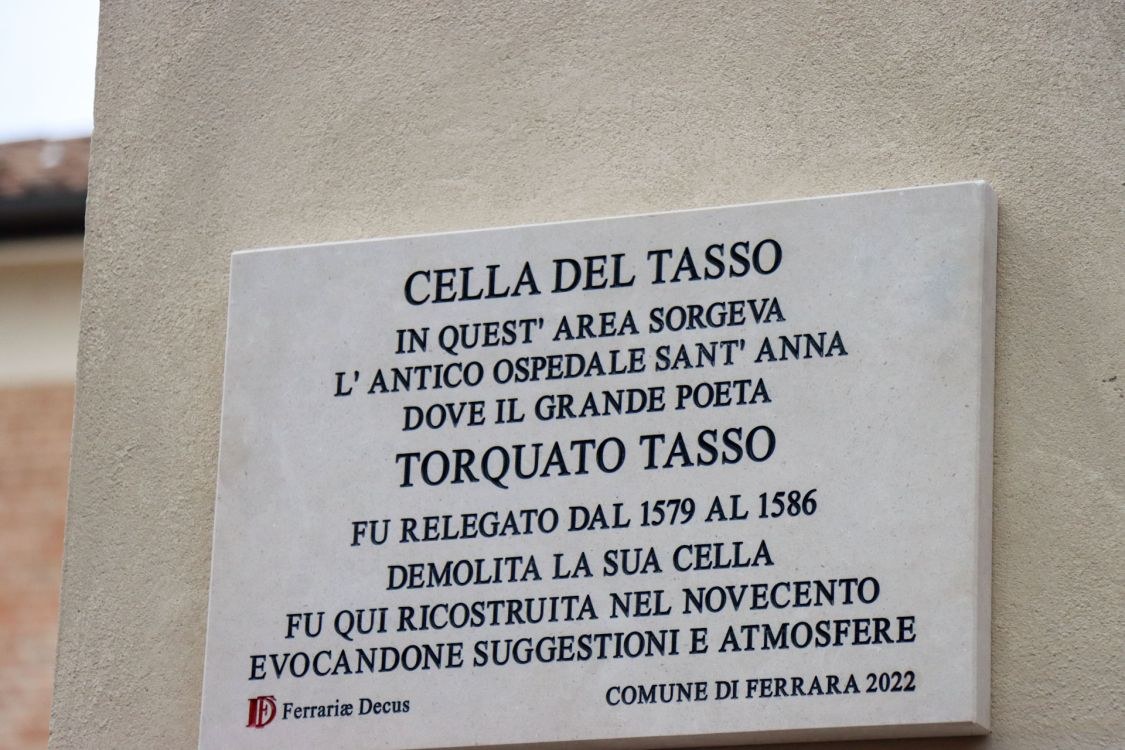
After studies in philosophy he entered into the service of Cardinal Luigi d’Este and moved to Ferrara. From 1572, he was at the court of Duke Alfonso II, where he wrote sonnets, songs, madrigals and a pastoral tale, L’"Aminta". In April of 1575 he completed "Gerusalemme Liberata", but at once began a troubled stylistic and ethical revision of it brought on by the fear of having fallen into heresy. Soon after this he suffered the first outburst of persecution mania, attacking a courtier he was convinced was spying on him whilst he conversed with Princess Lucrezia. Duke Alfonso had him locked up in the castle dungeons and later in a convent from which he escaped. He was welcomed back to court, but during Alfonso's wedding with Margherita Gonzaga he again flared up, railing against the court. He was arrested, locked in the hospital of Sant'Anna and put in chains like a madman. He was only released after seven years and continued to wander between Mantua, Bergamo, Florence, Rome and Naples. He died in Rome as he was about to be nominated poet laureate.
He is buried in Rome in the Church of Sant'Onofrio al Gianicolo.
The most important masterpieces by Torquato Tasso:
- Rime degli Accademici Eterei (1567);
- Aminta (1573);
- Re Torrismondo (1576);
- La Gerusalemme liberata (1559-1575).
THE AUTHOR'S PLACES IN FERRARA
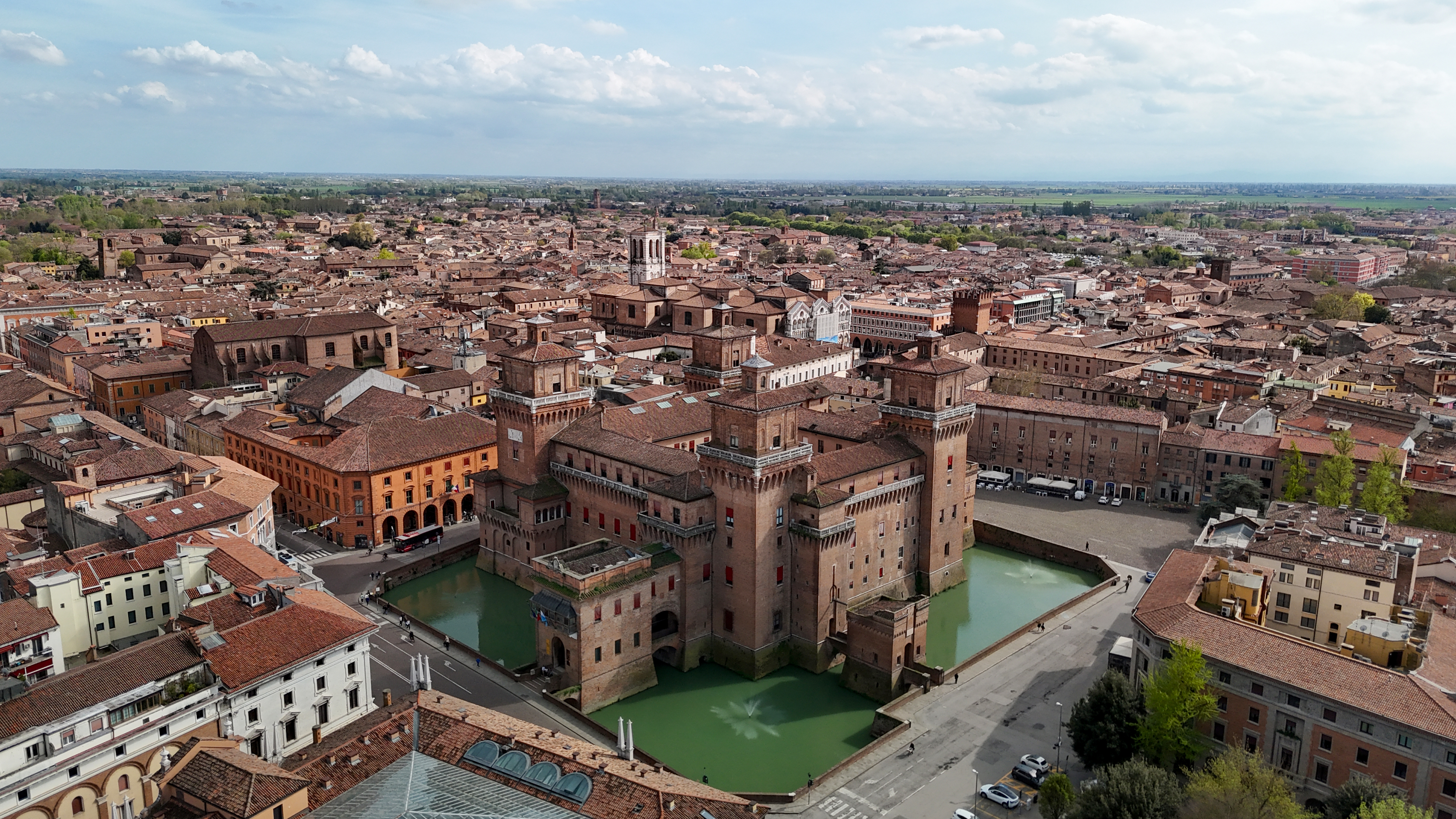
Estense Castle (Ferrara)
Tasso lived in the ducal residence as court poet. His influence is visible especially in the Sala dell’Aurora.
Ex San'Anna Hospital(Ferrara)
Casino Estense (Medelana)
Contenuti correlati