Giovanni Boldini
(Ferrara 1842 - Parigi 1931)
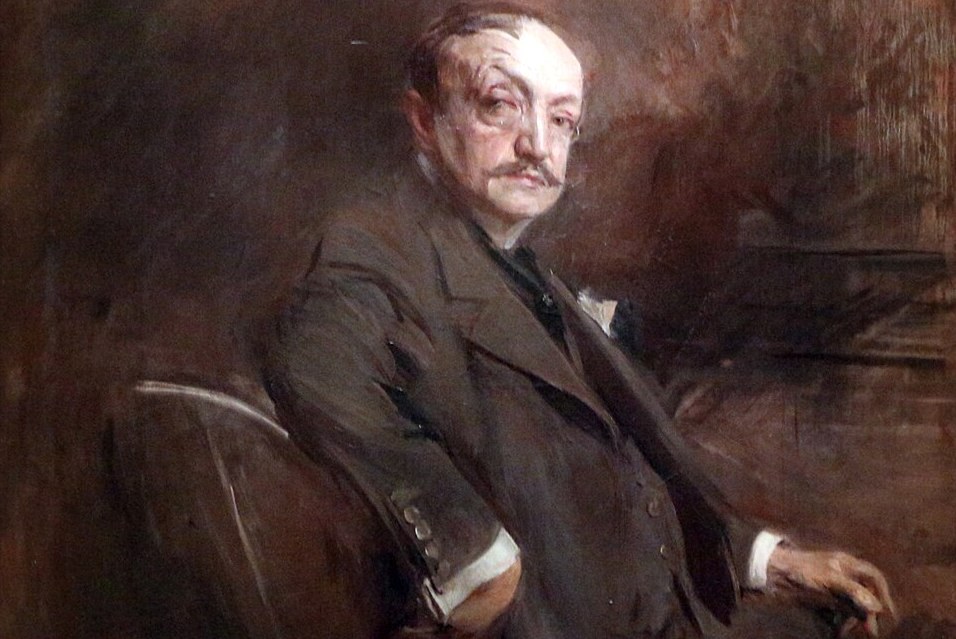
Having received his first artistic lessons from his father Antonio, a painter and restorer, Giovanni Boldini (1842 - 1931) left Ferrara in 1862 to study in Florence, where he frequented the cultural ambience of the Caffè Michelangelo, the well-known meeting point of the Macchiaioli painters.
In 1867 Boldini went to Paris and then on to London where he became acquainted with the work of Courbet and met Manet, Degas and Sisley. In 1871 settled in Paris, the city that was to become his second home for sixty years and where he became established as one of the major portrait artists of his time.
In the French capital Boldini achieved great fame ad and fortune and had a social life that was often to be the subject of this works: theatre, horses, crowds moving around the great city, portraits of high-class ladies and gentlemen immortalised with fast brushstrokes to represent the dynamism of the fleeting moment. He created a female ideal, producing images of a highly refined and sensual beauty to which many of his clients were only too happy to adapt. His fame as a Belle Époque portraitist masked his creative genius as an artist for some time, but recently critics have given him credit for the complexity of authentic aspects and deep sentiments in his work that belong to more modern artistic content.
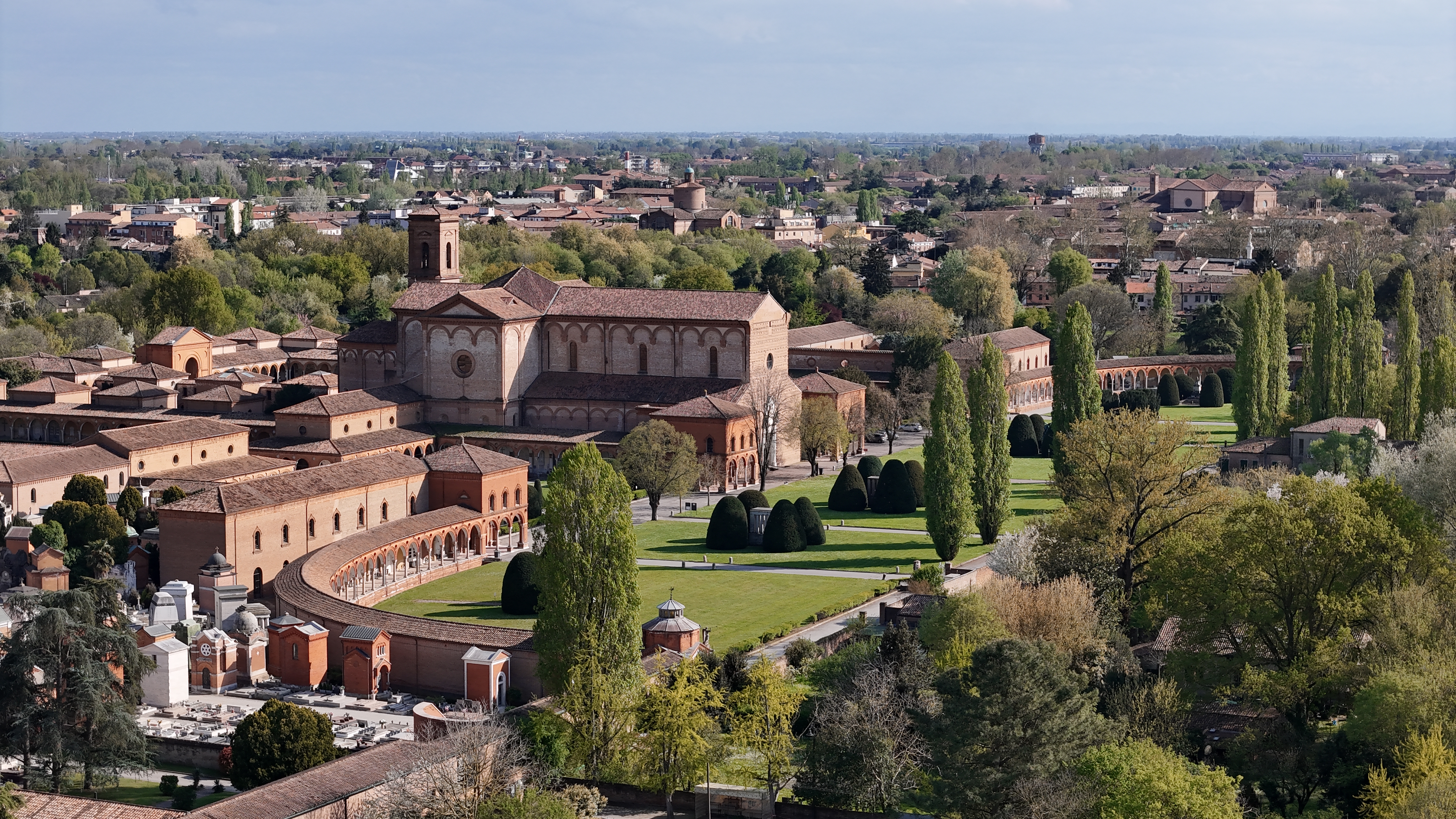
He is buried in the Charterhouse of Ferrara.
The most important masterpieces of the collections in the Modern and Contemporary Art Galleries:
- Fuoco d’artificio;
- Il ritratto del piccolo Subercaseuse;
- La contessa de Leusse;
- La passeggiata al Bois de Boulogne;
- La signora in rosa.
THE ARTIST'S PLACES IN FERRARA
Boldini House (Ferrara)
Via Savonarola 10
Building where the painter was born and spent the first years of his childhood. Today it is a private property.
Palazzo Massari (Ferrara)
Charthouse (Ferrara)
Contenuti correlati