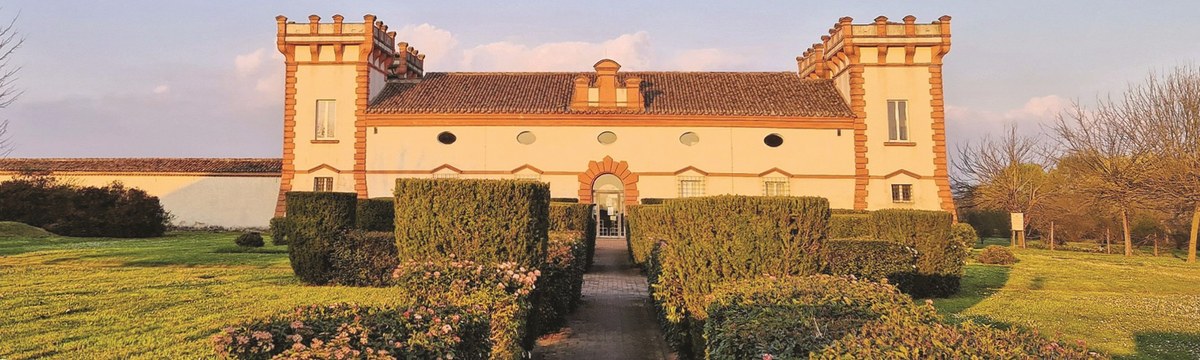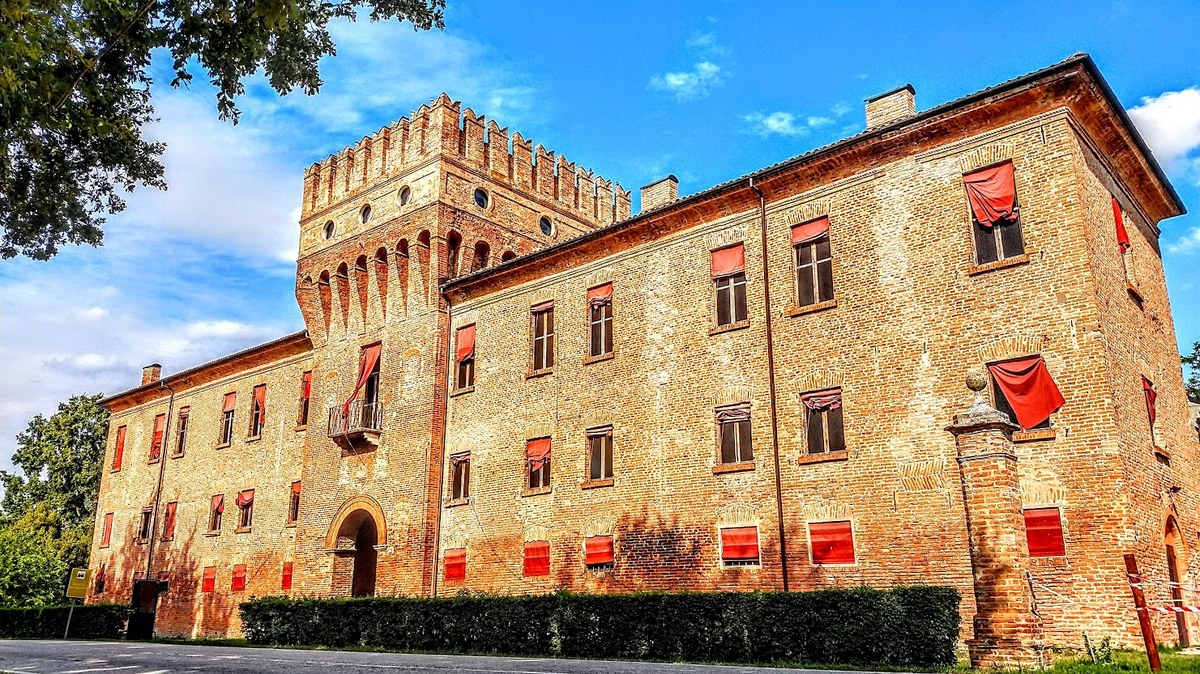
Originally built as a country villa, it also served a defensive function and represented the power of the Este family, as demonstrated by the crenellated tower that dominates the complex. Today, the Delizia can only be visited from the outside.
Sito ufficiale di informazione turistica della provincia di Ferrara
EN
Borgia Ring
Starting point from
Voghiera
Duration
40 km
Length
2h30
Transport methods
A pleasant circular route through the Ferrara countryside leads to the discovery of the fascinating Delizie Estensi, Renaissance residences of the Dukes of Este recognized by UNESCO as World Heritage Sites for their historical and landscape value.
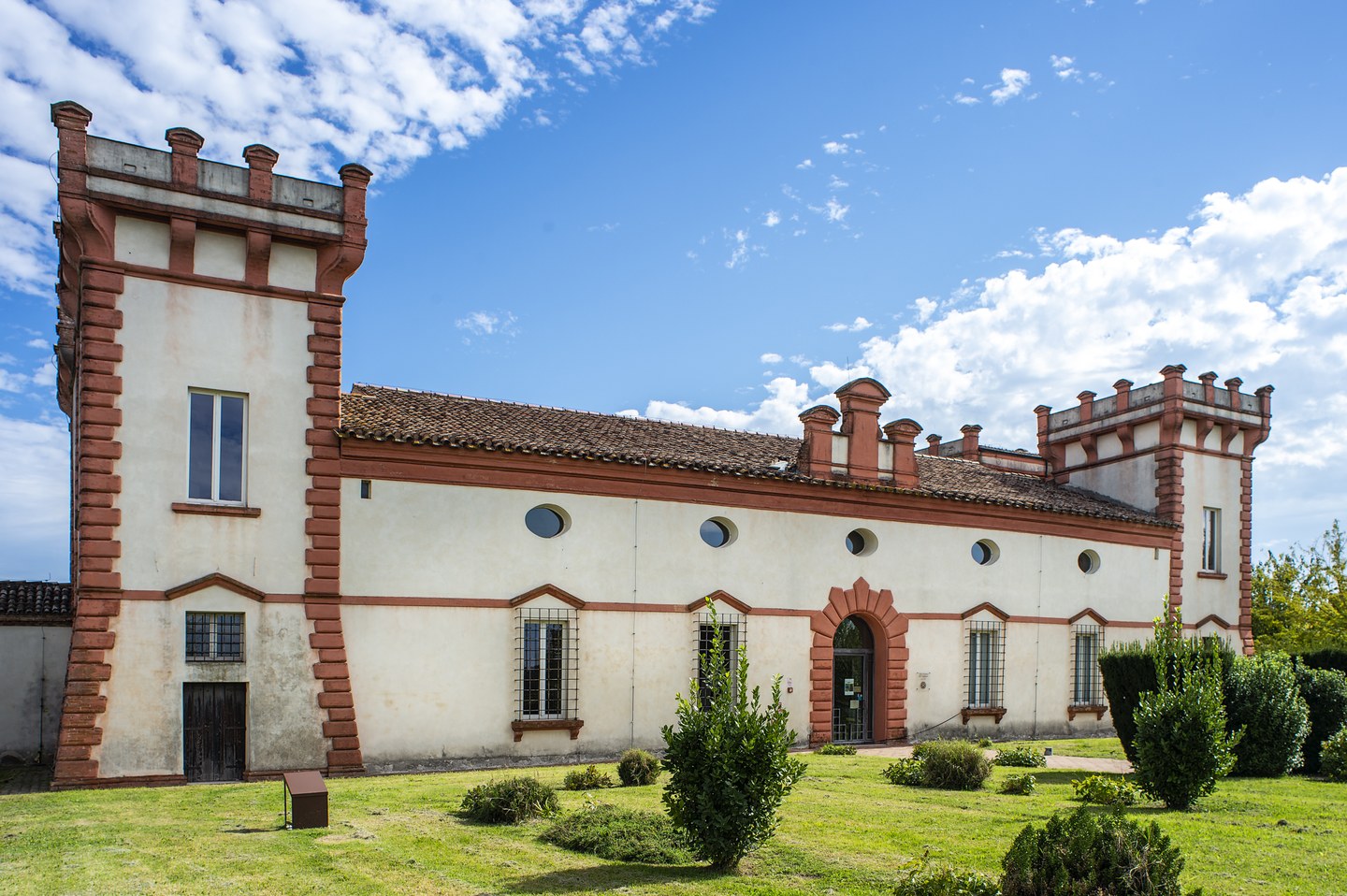
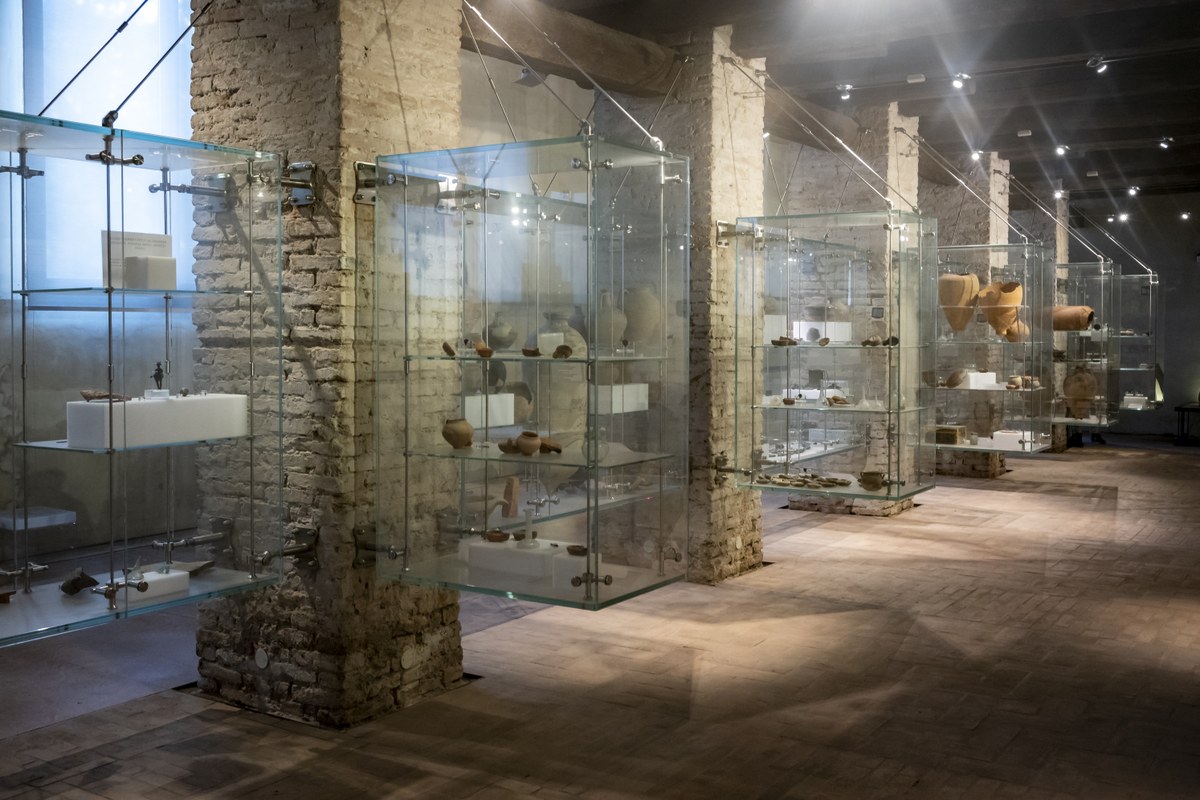
The tour starts in Voghiera, famous for its PDO garlic, where you can visit Delizia di Belriguardo. Considered the “Versailles of Ferrara,” it was the most important suburban residence of the Este family and now houses the Civic Museum. The tour continues to Delizia del Verginese, an elegant 16th-century residence that now houses a permanent archaeological exhibition and a Renaissance garden reconstructed according to historical standards. The itinerary ends at Delizia di Bevignante, near Argenta, a villa that also served a defensive function, which can be visited from the outside.
The route is designed for a slow and immersive experience: a cycle route that can be traveled clockwise or counterclockwise, winding along low-traffic roads and picturesque dirt roads. Cycling through fields immersed in silence, the route connects some of the most significant Delizie Estensi, deeply linked to the history of the d'Este family and the figure of Lucrezia Borgia. A journey through art, architecture, and agricultural landscapes that brings back the Renaissance soul of the Ferrara area.
Le Delizie Estensi
Delizie Estensi are a series of Renaissance residences built by the d'Este family between Ferrara and its surrounding territory, designed as places of leisure, representation, and control of the agricultural landscape. Today, they are recognized by UNESCO as a World Heritage Site for their historical, artistic, and landscape value.
Step 1
Delizia del Belriguardo
Delizia di Belriguardo, summer residence of the Este court and the first of the delizie built outside the walls of Ferrara, is known as the “Versailles of the Este” for the richness of its frescoes and the large Italian gardens that once surrounded it. Today it houses the Civic Museum, divided into four sections: Archaeology, Renaissance in the evocative frescoed Sala della Vigna, Modern Art and Industrial Archaeology with objects from everyday life.