
From Monet to Van Gogh to Kandinsky
New Visions on Nature and Modernity
Date
Prices
full: € 16
-red. 14,00 euro
-6-18 years,
-groups 15-25 people,
-over 65,
-MyFE Card holders,
-Schools: € 5
Free:
-under 6,
-from 67% rating disabled people with a carer
Purchase (booking fee € 1.50)
Masterpieces from the Museum Boijmans Van Beuningen and other important collections
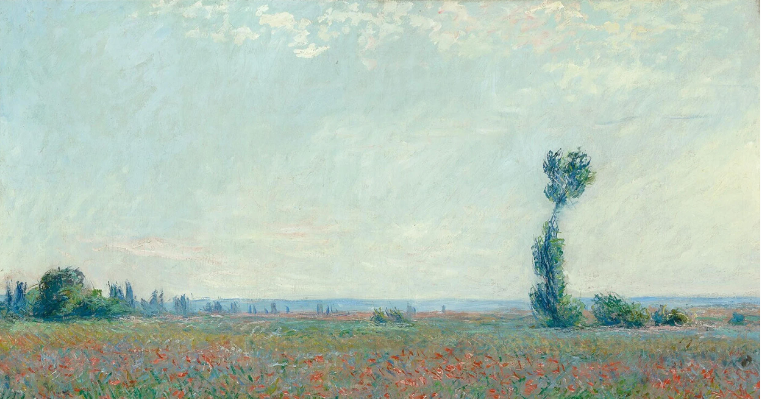
Monet, Van Gogh, Kandinsky, Mondrian: names that mark the milestones of an epoch-defining shift. In less than eighty years, between the 19th and 20th centuries, European painting moved from the direct observation of nature to the dissolution of reality. The exhibition at Palazzo dei Diamanti traces these transformations.
Landscape – both natural and urban – and modern life lie at the core of the exhibition, offering the vantage point onto an era in which the relationship between the artist and the visible world is radically redefined, opening the way to new modes of perceiving and representing reality.
The exhibition captures an extraordinarily rich period of creative ferment, experimentation, and talent, through the works of the great protagonists of modern European painting.
Among them: Gustave Courbet, Claude Monet, Camille Pissarro, Auguste Renoir, Alfred Sisley, Edgar Degas, Paul Gauguin, Vincent van Gogh, Paul Signac, Odilon Redon, Pablo Picasso, Pierre Bonnard, Édouard Vuillard, Wassily Kandinsky, and Piet Mondrian. Alongside them, the Italian masters: Giovanni Fattori, Telemaco Signorini, Giovanni Pellizza da Volpedo, Giovanni Segantini, Gaetano Previati, Giovanni Boldini, Umberto Boccioni, Carlo Carrà, and Mario Sironi.
The exhibition itinerary brings together 120 works – paintings, drawings, and prints – most of them from the Dutch museum’s collections, alongside a selection from major Italian public and private collections. The exhibition is organized by the Fondazione Ferrara Arte in collaboration with the Museum Boijmans Van Beuningen in Rotterdam and the Galleries of Modern and Contemporary Art of Ferrara, and is curated by Sandra Kisters and Vasilij Gusella.
Program
Opening hours: open daily from 9.30 am to 7.30 pm (last ticket issued 60 min. before close)
Also open 1 November, 8, 25 and 26 December, 1 and 6 January
Contacts
Palazzo dei Diamanti, Corso Ercole I d'Este 21 - 44121 Ferrara


